
Why Is Venice, CA Especially Tough on Plumbing?
Slab leak detection in Venice, California starts at the shoreline. Venice was built on sand, canals, and filled wetlands — ground that still shapes each pipe decision. Our technicians find a triple threat here: shifting sandy soil, a high water table, and salt air corroding fittings.
The housing stock is old and eclectic. Early-1900s beach cottages, 1920s bungalows, and mid-century apartments line the walk streets, the canals, Abbott Kinney Boulevard, and Ocean Front Walk. Many still carry original or decades-old copper lines. Sandy soil never sits still — it shifts with groundwater, vibration, and time, and each shift bends the pipes buried in it. Near the canals and the beach, the water table sits high, so slabs live in near-constant contact with moisture.
Salt air completes the assault. While buried lines are shielded, every pipe entry — where pipes enter the slab, hose bibs, water heater connections — faces corrosive marine air that weakens fittings over the years. Past remodels, extremely common in Venice, add mixed-material joints where new work meets century-old lines. Our slab leak warning signs guide shows the early clues.
How Do Venice Homeowners Spot a Slab Leak?
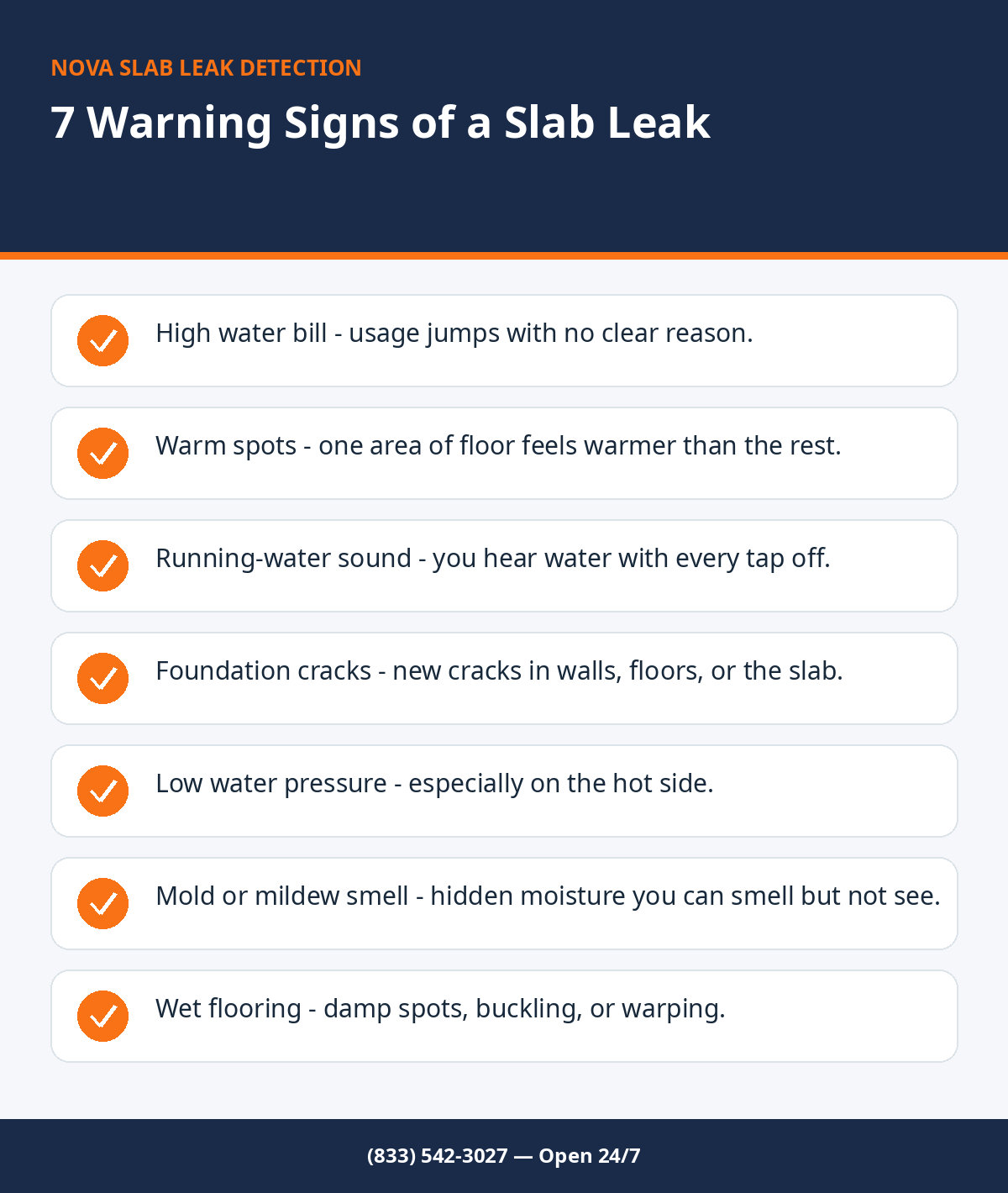
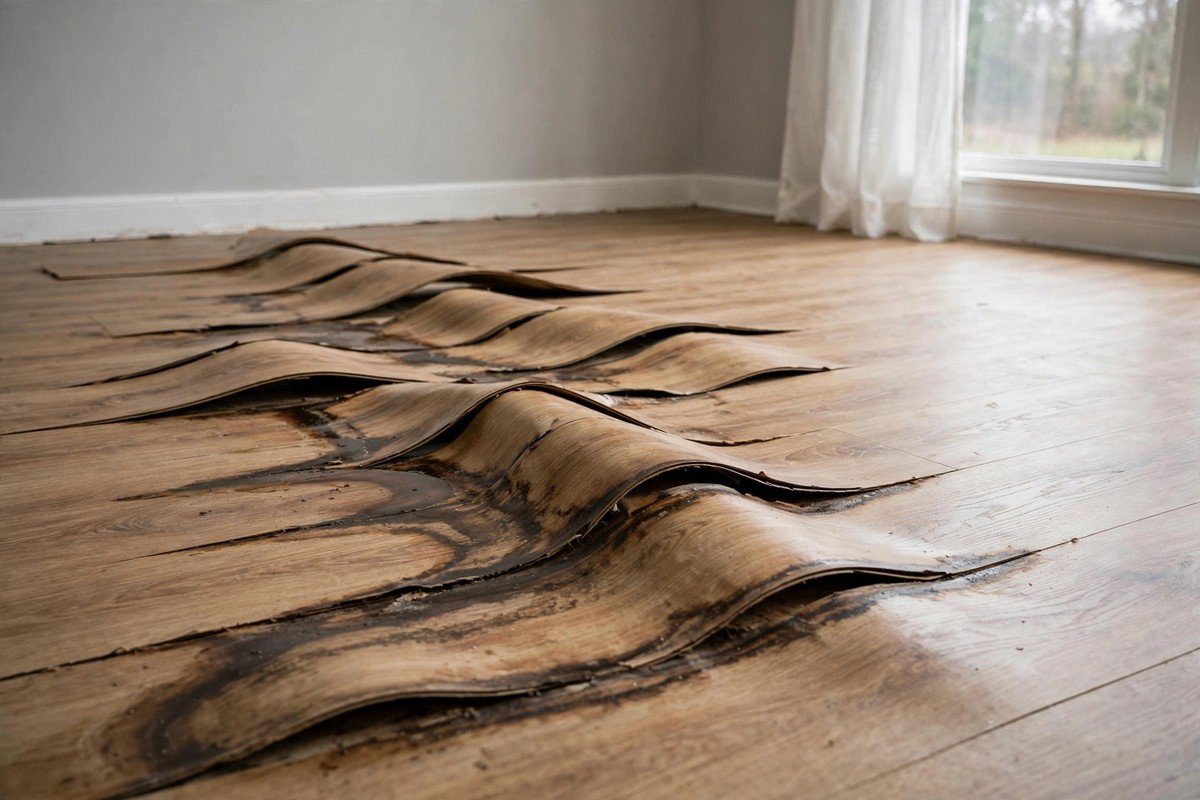
Beach-home signs hide behind beach-home life. Your water bill climbs even though your routine hasn’t changed. A patch of floor feels warm underfoot. You hear water running when the house is silent. Tile cracks, baseboards warp, or a musty smell rises near the slab. In Venice, also watch for efflorescence — white mineral crust on concrete — and for dampness that never quite dries near the canals or the beach side of the house.
My cottage always feels a little damp. Is that just the beach? Coastal humidity is real. A slab leak makes localized, persistent dampness in one area — not general mugginess. A scan tells the difference.
Why is there white crust on my patio slab? That is efflorescence: minerals left behind as water shifts through concrete. Occasional crust is cosmetic. Spreading crust with moisture can signal a leak under the slab.
Can sand under the slab cause a leak? Sand shifts, and shifting bends pipes. Over years, that flexing fatigues joints — especially in lines already thinned by age.
Canal-area homes should be alert after king tides and storms, when the water table surges and saturated ground shifts most. Moisture-driven issues like mold under slab escalate fast in beach humidity.
Which Venice Areas Do Our Technicians Serve?
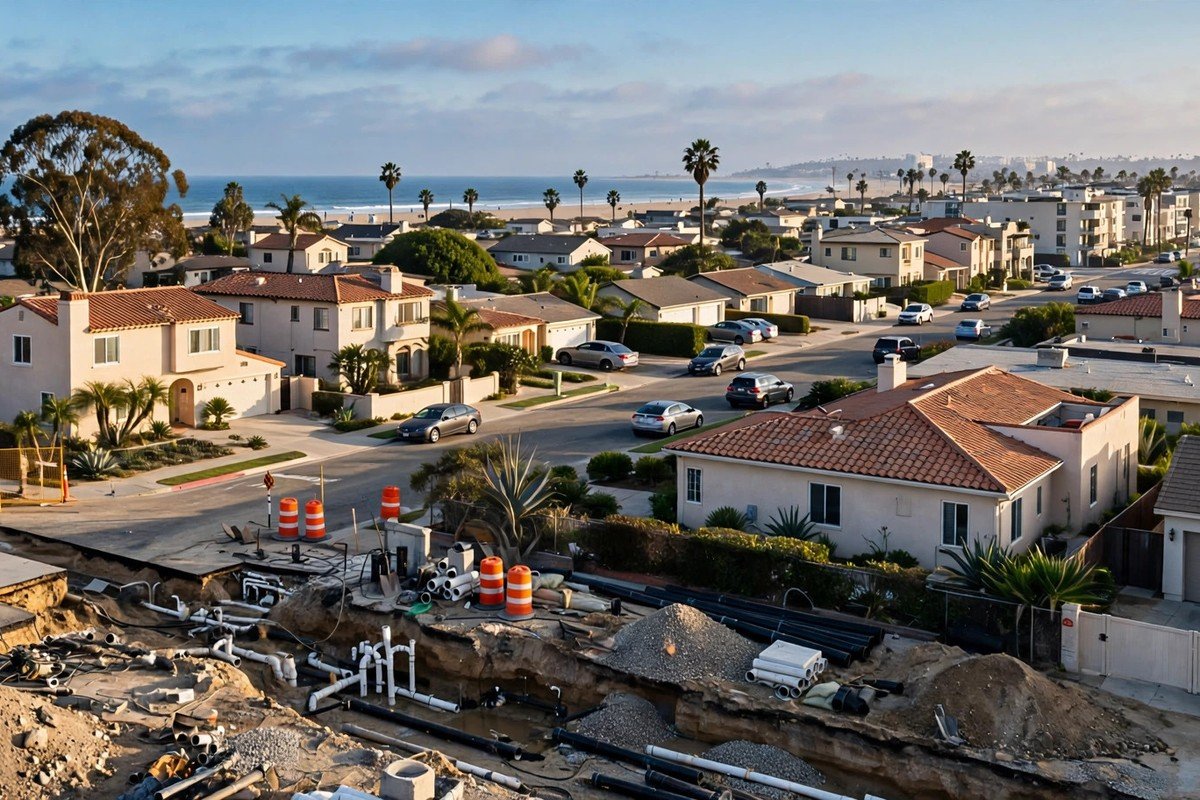
We serve all of Venice. Our technicians visit the historic Venice Canals district, the walk streets with their early-1900s cottages, and the homes along Abbott Kinney Boulevard. We cover the Ocean Front Walk beachfront blocks, the North Venice and South Venice home streets, the areas around Venice High School, and the areas bordering Marina del Rey and Santa Monica. From canal-front homes to inland bungalows, each part of Venice is in our service area.
Areas and ZIP Codes We Serve in Venice
Venice uses two ZIP codes, and we cover both fully:
- 90291 covers most of Venice: the canals, the walk streets, Abbott Kinney, and the beachfront blocks.
- 90294 covers the remaining Venice addresses: the southern streets to Marina del Rey.
Our California service page lists the other Westside beach towns we serve.
What Happens During a Venice Detection Visit?
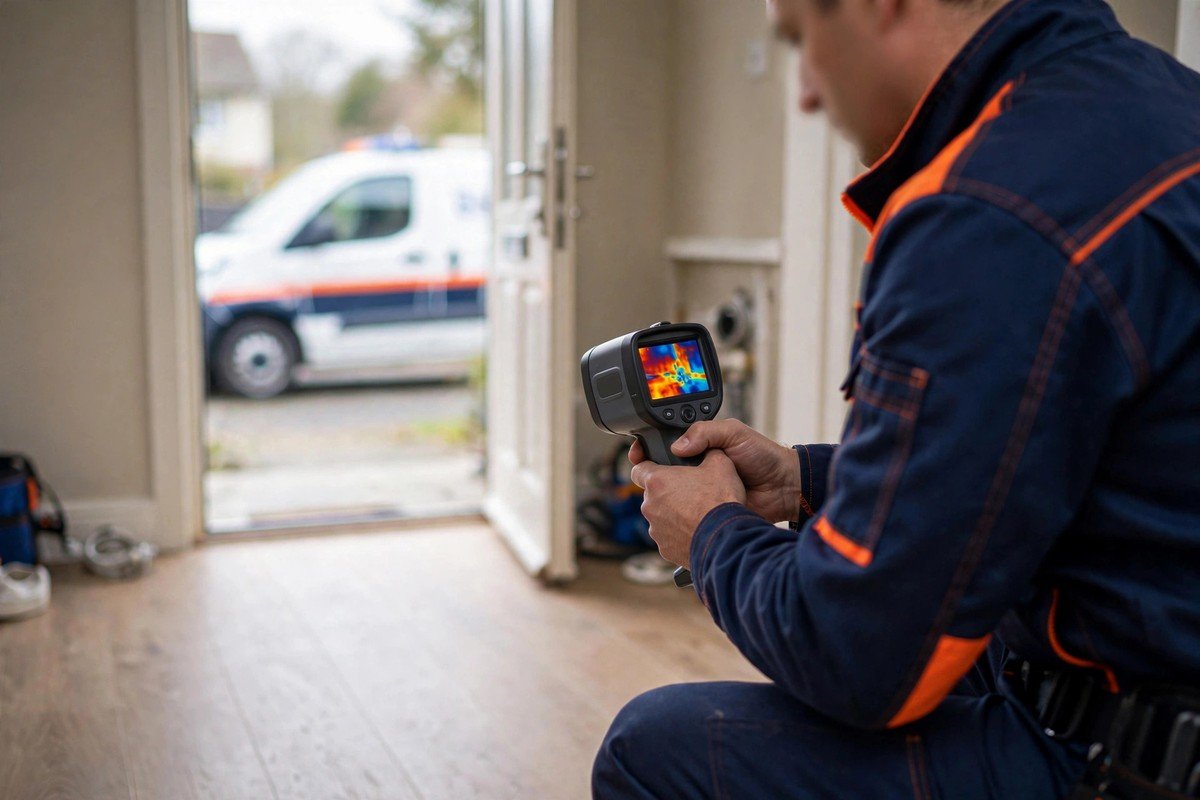
Call (833) 542-3027 — we answer 24/7. Your technician arrives with a proven coastal process, often done in 1 to 3 hours. At your Venice home, acoustic listening comes first, hearing water escape a buried line — the way behind our acoustic leak detection service. Thermal imaging follows across your Venice home, mapping hidden hot and cold patterns in floors as in our thermal imaging leak detection service. For elusive leaks, tracer gas is introduced into the isolated line and followed to the exact breach, per our tracer gas leak detection process.
Does the high water table confuse your equipment? No — Your technician accounts for groundwater and reads the leak’s distinct signature against it.
Will detection damage my original floors? No — All three ways are non-invasive — key in historic cottages with irreplaceable finishes.
How precise is the pinpoint? We often find your Venice leak within 1 to 3 feet, keeping any repair opening as small as possible.
Can you check a home with a guest house or ADU? Yes — Your technician can scan each slab on the home in one visit.
In Venice’s oldest cottages, your technician checks the joints where pipes enter the slab. Salt air weakens those bare fittings faster than anything buried.
What Does Fixing a Venice Slab Leak Cost?
After detection, your technician lays out clear choices with honest pricing. The costs under are national estimates as of 2026 for Venice:
- Slab leak detection — $150–$500 (hard cases to ~$600): the non-invasive pinpoint that starts each job.
- Spot repair — $1,500–$4,500: one leak in a Venice line that is otherwise sound.
- Reroute — $3,500–$7,000: a new path that abandons the failing under-slab line.
- Tunneling — $3,500–$8,000: reaches a deep Venice leak without breaking finished floors.
- Epoxy lining — $3,000–$6,000: seals weak points in a mostly intact pipe.
- Whole-home repiping — $4,500–$15,000: swaps Venice pipe that keeps failing.
For a century-old Venice cottage with original lines, a reroute often makes the most sense. It gets pipe out of the shifting sand entirely. Our whole-home repiping page explains the way. A single first-time leak is often a clean slab leak repair. Compare Venice’s real numbers in our cost guide.
Should I reroute or repair under the slab in sandy soil? If the sand keeps shifting, a reroute avoids the problem permanently. Your technician will give you an honest read on your soil and lines.
Does insurance cover coastal slab leaks? Plans vary. Most Venice plans cover resulting water damage but not the pipe repair. Ask your agent about your specific Venice coverage.
FAQs
How much does slab leak detection cost in Venice?
For Venice homeowners, detection runs $150–$500 nationally as of 2026, with hard cases reaching about $600. In Venice, you get the pinpointed location and a repair estimate before deciding anything.
Are slab leaks common in Venice’s old beach cottages?
Yes — Century-old lines, shifting sand, a high water table, and salt air combine into one of the toughest pipe environments in Los Angeles. Many cottages are on their second or third leak.
Does living near the canals increase the risk?
Canal-adjacent homes deal with the highest water tables and the most mobile soils, which stress buried lines. They are among the leak-prone addresses we serve.
Can salt air really damage plumbing?
It rusts bare metal — fittings, joints, and connections at the slab edge. Buried lines are shielded. Each entry point faces the marine air.
Do you work on historic cottages without damaging them?
Yes — Detection is fully non-invasive. For repairs we recommend the least disruptive choice — often a reroute that leaves original floors untouched.
Are you available for emergencies in Venice?
Yes — we are on call 24/7. Call (833) 542-3027 any time and we will get a technician to you.
Call (833) 542-3027 now. Nova Slab Leak Detection is open 24/7. Our technicians bring beach-tested, pinpoint answers to Venice — before a small leak becomes a big repair.