
Why Do Newport Beach Homes Get Slab Leaks?
Newport Beach looks perfect. Leaks love it here. For slab leak detection Newport Beach California homeowners need, our technicians work with shoreline cottages, 1960s Corona del Mar homes, and hillside estates alike. Corona del Mar was settled early 1900s. Many homes rose in the 1960s and 1970s. They are past fifty. Newport Coast holds gated hill homes with top finishes.
The coast is the big risk. Low land on the peninsula and islands sits on sand. Sand shifts with ease. High water tables press on buried pipe. Salt air corrodes bare copper. Hillside zones like East Bluff move more than flat land.
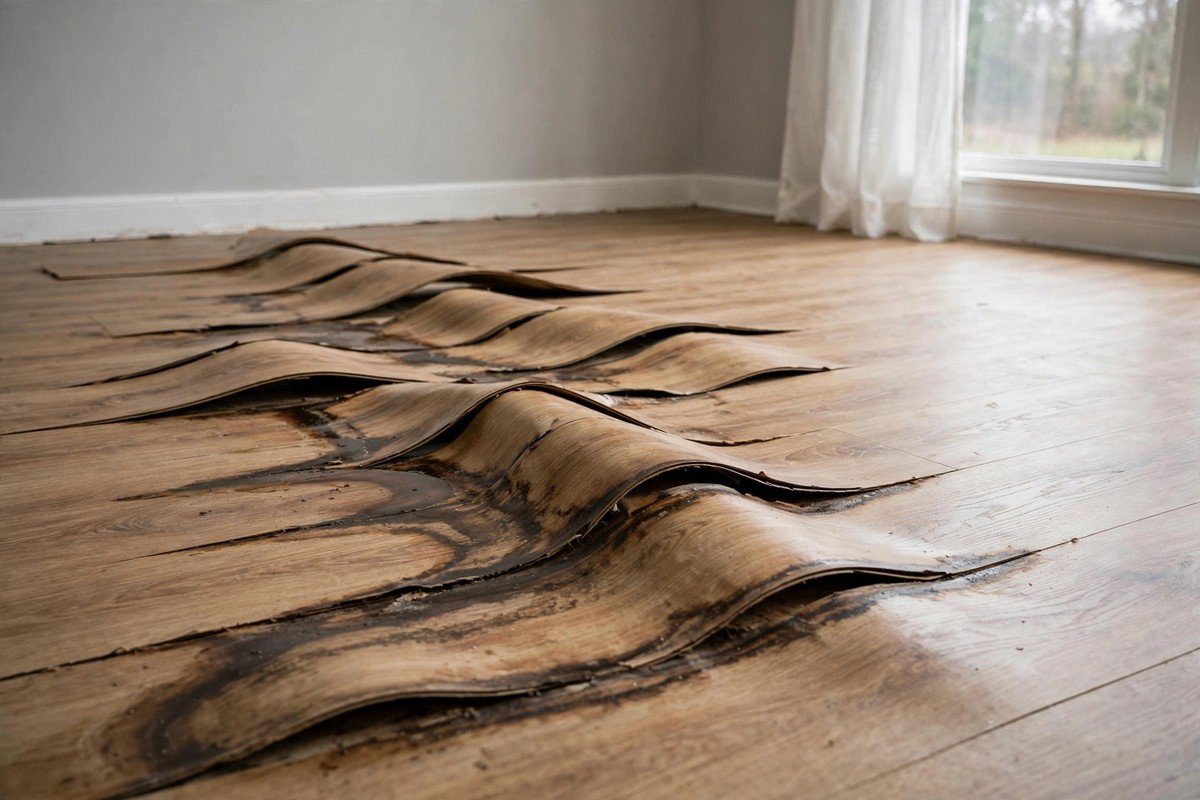
Hard water wears pipe from the inside. Scale builds for years. Then holes open. Fine floors raise the stakes. A lost leak can wreck stone, wood, and tile fast. Early checks pay off here.
What does Newport Beach sand do to pipes?
Sand under Balboa shifts with tides. Shifts rock pipe joints loose. We test each joint by sound.
Bluff soil holds bands of clay. Clay swells after storms. It shrinks in dry years. Both soils strain old pipe.
Joints break down first. We find each weak joint. Then we mark the leak point.
How hard is Newport Beach water on pipes?
City tests list 17 grains per gallon. That counts as very hard. Scale coats old copper fast.
Scale pits copper with time. Pits grow to pinholes. We hear pinholes by sound. Warm floors show up late.
Long showers feed scale each day. Hot lines pit first. We test hot and cold apart. Call us at the first warm spot.
Which Newport Beach blocks leak the most?
Balboa cottages date to the 1920s. Their pipes are the oldest here. Corona del Mar holds 1950s homes.
Newport Coast tracts use newer pipe. New pipe still leaks in soft soil. We serve each street from the bay to the bluffs.
Do quakes shake these pipes too? A fault zone sits offshore. Small quakes hit each year. Each one strains old pipe joints. Call us today. We hurry.
Which Newport Beach Neighborhoods Do We Serve?


We cover the whole city here. Our top areas:
Corona del Mar — Settled in the early 1900s. Many 1960s and 1970s homes on the flower streets. Old copper plus coastal soils make it a top leak zone.
Newport Coast — Gated hill homes with fine finishes. Slope soils and long pipe runs add risk.
East Bluff — Hills with mature homes. The ground moves more here.
The Peninsula and Balboa Island — Low homes by water. Sand soils, high ground water.
We also serve Newport Center, West Newport, Dover Shores, and all six ZIP codes: 92658, 92659, 92660, 92661, 92662, 92663.
The flower streets hold 1960s and 1970s homes, now past fifty. The Peninsula and Balboa Island sit on sand with high water. In Newport Coast, fine stone and wood floors make early checks worth far more than the visit. We guard those finishes as we find leaks.
Areas and ZIP Codes We Serve in Newport Beach
Six ZIP codes:
92658, 92659, 92660, 92661, 92662, 92663
Call (833) 542-3027. Day or night, we answer.
What Happens During Our Slab Leak Visit in Newport Beach?
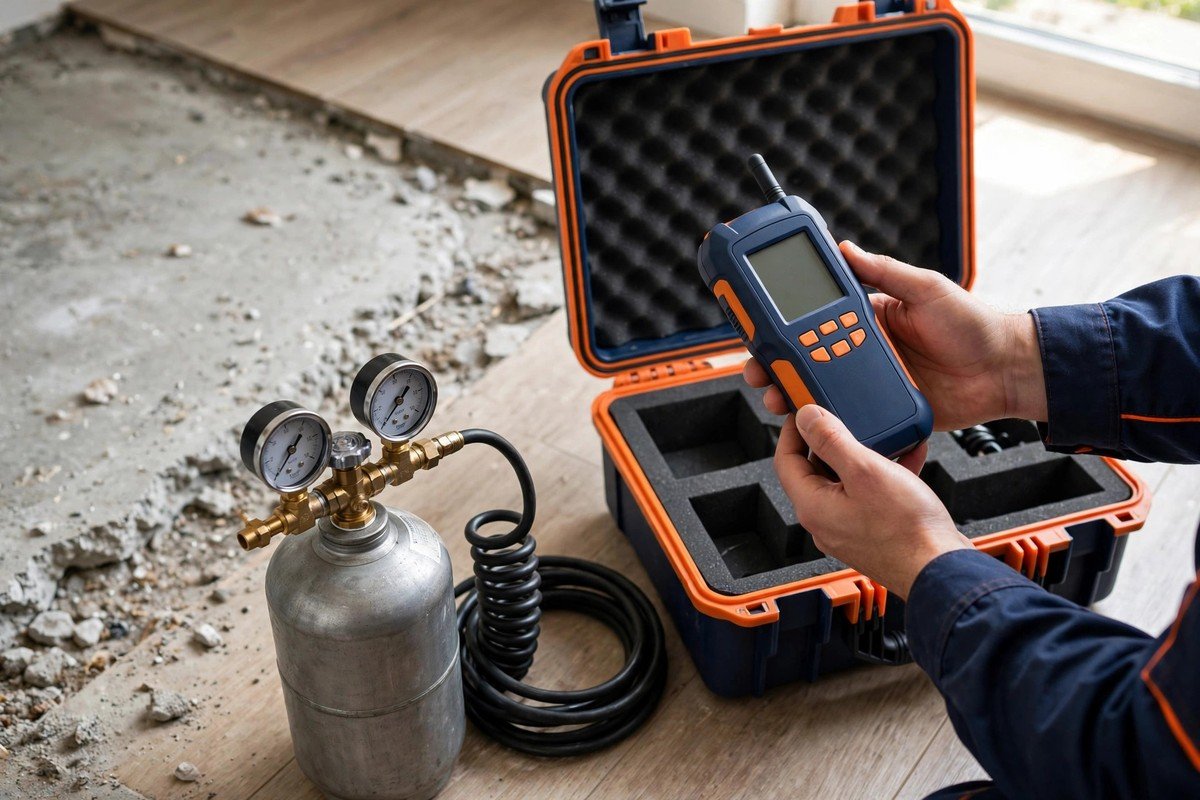
Our crew brings sound gear, a heat camera, tracer gas. Most visits take one to three hours here. We break nothing. Here is how:
- Confirm — We check the meter and line pressure. This proves the leak. It finds the bad line.
- Listen — Sound gear hears water move under the slab.
- Scan — Heat maps find warm spots from hot leaks.
- Trace — Tracer gas pins the leak point down.
- Report — We hand you a written report. Leak at one to three feet. Fixes plus firm prices.
Can you work near costly finishes? Yes. The check never harms floors. Repair plans guard stone, wood, and tile.
Do hillside homes need a new method? Our tech reads slope flow. Water can run down from the leak.
How long does the visit take? One to three hours for most homes here.
See how Newport Beach checks work.
What Are the Repair Options for a Slab Leak in Newport Beach?
We pair the fix to your home. Each price reflects a national estimate as of 2026.
- Spot repair — One small slab cut, one leak fixed. Spot repair: $1,500 to $4,500. Ideal for young pipe, one bad spot.
- Pipe reroute — New pipe goes through walls, attic. Pipe reroute: $3,500 to $7,000. A solid pick for 1960s and 1970s copper, since more leaks loom.
- Tunneling — A dig from outside reaches the pipe. Tunneling: $3,500 to $8,000. Fine floors stay safe.
- Whole-home repipe — Every old pipe is replaced. A whole-home repipe totals $4,500 to $15,000. Worth it for pre-1970 homes.
A Newport Beach check: $150 to $500. Hard jobs near $600.
Newport Beach leaks drive high water bills and can crack foundations. Our repair page and cost guide point the way.
My Corona del Mar home is from 1968. Which fix is best? Past fifty-five, a reroute or repipe fits. Your tech will name the right one.
Call (833) 542-3027 now. We serve this city and all of California 24/7. We work here. We work fast.
FAQs
How much does slab leak detection cost in Newport Beach? A Newport Beach check runs $150 to $500. Those are national estimates as of 2026, too. Hard jobs can near $600. A report and firm prices come with the visit.
Do you serve Corona del Mar and Newport Coast? Yes. Corona del Mar, Newport Coast, East Bluff, the Peninsula, Balboa Island, and all six ZIP codes.
Does salt air cause slab leaks? Salt air wears bare copper. Under the slab, hard water and soil shift count more.
Can you check under stone floors? Yes. The check harms nothing here. Our tools read through stone, tile, and wood.
How long does the visit last? One to three hours in most cases.
Is the fix covered by insurance? Plans vary. Most cover water harm, not the pipe. Check your plan.