
Why Do Cypress Homes Get Slab Leaks?
For slab leak detection Cypress California relies on, we know pre-1980 copper best. Over eight in ten owner-held homes here date to before 1980. The city is nearly built out. Few new homes have joined the stock in years.
Forty to sixty years is the danger zone for copper. Hard water in west Orange County coats pipes with scale. Scale thins pipe walls. Tiny holes appear. The leaks start quiet. A small hole under the slab spreads water for weeks. Then a warm spot or a high bill tips you off.
The ground plays a part. The town rests on flat coastal ground with clay seams. Clay swells and shrinks with the seasons. Each round bends buried pipes a little more. The dairy past left a mark too. Some tracts sit on old farm land with odd soil.
Why is Cypress’s groundwater so close to the surface?
A city-commissioned geotech study bored deep under Cypress. It found groundwater just 5 to 12.5 feet below grade in parts of town. Shallow water keeps soils damp year-round. Damp soil holds pipes in a constant wet grip. Wet ground also speeds corrosion at pipe entries. Old copper from the 1960s and 1970s sits in that damp zone. Our tests read the damp soil as well as the pipe.
Does Cypress sit in a liquefaction zone?
State maps place the Los Alamitos area, which covers Cypress, in a seismic investigation zone. Loose wet sand can act like a liquid in a strong quake. That motion can jolt buried pipes. Old joints are the first to crack under a jolt. Even small quakes shake damp ground here. We note the quake risk on each visit.
How do Cypress’s old farm soils strain pipes?
Cypress began as a dairy town in 1905. Old farm land holds odd soil pockets. Pasture watering changed the ground for decades. Some tracts sit on soils that hold water unevenly. Uneven ground moves pipes in spots, not lines. Spot motion cracks old joints first. We map the old farm blocks before we test.
Which Cypress Areas Do We Serve?
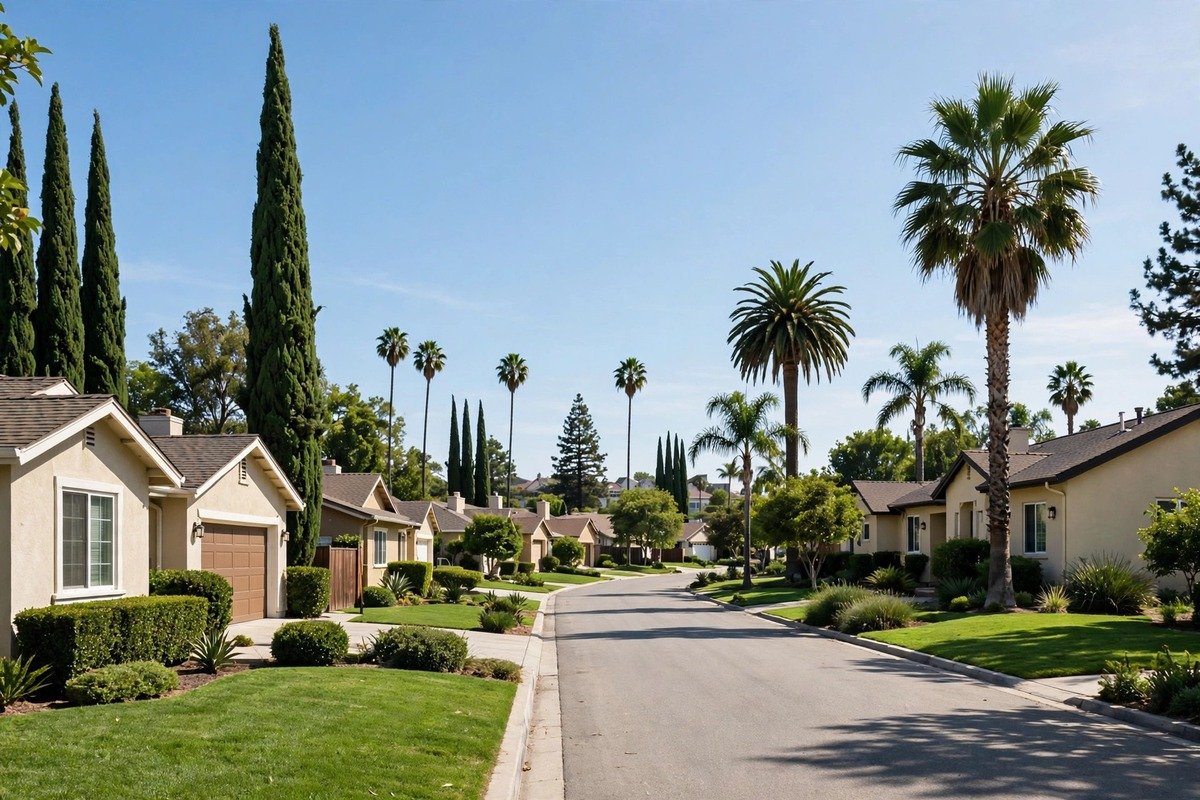
Cypress is small, and we cover all of it. We serve homes across the 90630 ZIP:
North Cypress — Tracts north of Katella from the 1960s and 1970s. Old copper at peak leak age.
South Cypress — Midcentury homes and newer infill near the Los Alamitos line.
We also serve the blocks near Cypress College, the old downtown district from 1905, and Oak Knoll Park.
The town started as a dairy town in 1905. It stayed small for years. That is why over eight in ten owner-held homes date to before 1980. The city is nearly built out. Almost no new pipes have joined the stock in years. When we test a home here, we expect old copper. The test tends to prove us right. That old pipe is why owners here call us when a floor feels warm for no clear cause.
Areas and ZIP Codes We Serve in Cypress
Leak checks cover all of Cypress. The ZIP code:
90630
Call (833) 542-3027 — we answer day and night.
What Happens During Our Slab Leak Visit in Cypress?
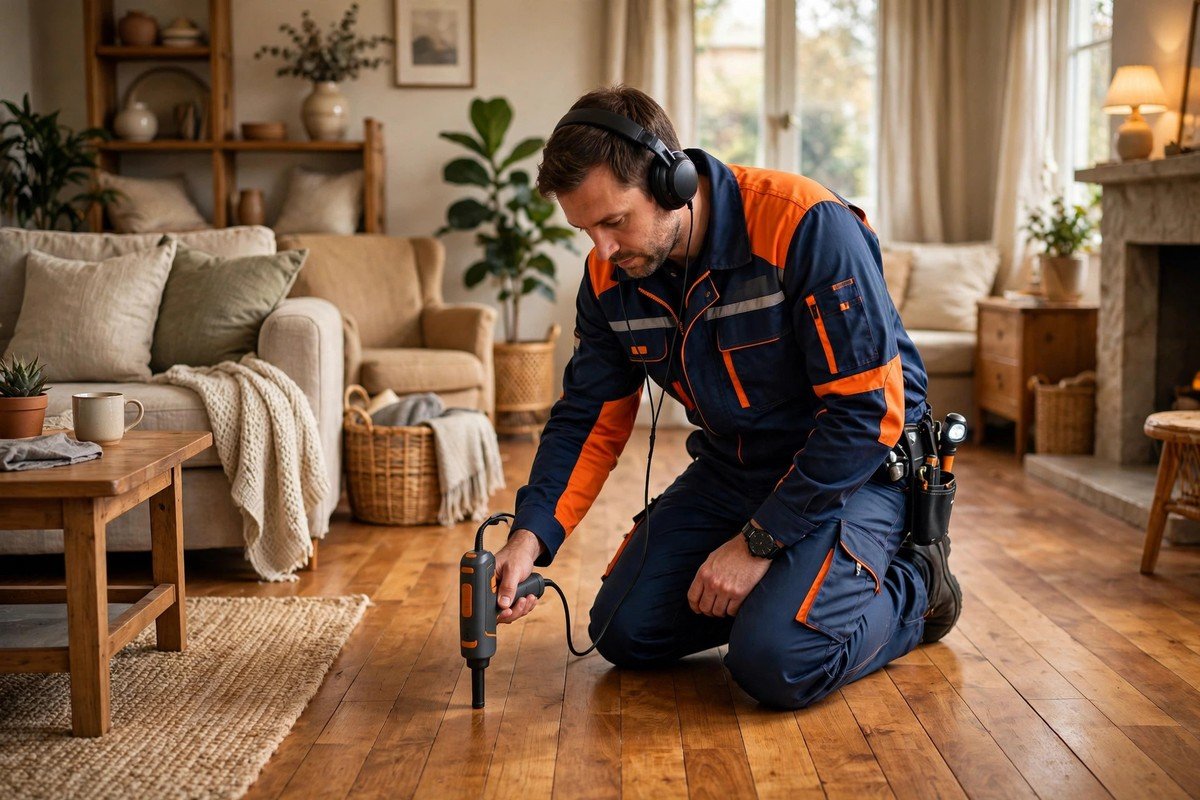
Our technicians arrive with sound gear, a heat camera, and trace gas tools. The visit lasts one to three hours. Floors stay unharmed.
- Prove it — We read your meter. We test each water line.
- Listen — Our sound gear hears water under the slab.
- Scan — The heat camera maps warm patches from hot leaks.
- Trace — We use trace gas to trail the leak.
- Report — Written notes are yours. They set the leak at about one to three feet. They list fixes plus firm prices.
Can you test a 1960s tract home? Yes. Most homes here hit that age. Our tools fit them well.
Will you break concrete? No. We harm nothing at all.
How long will the check take? The visit lasts one to three hours for most homes here.
Learn about our Cypress leak check process.
What Are the Repair Options for a Slab Leak in Cypress?
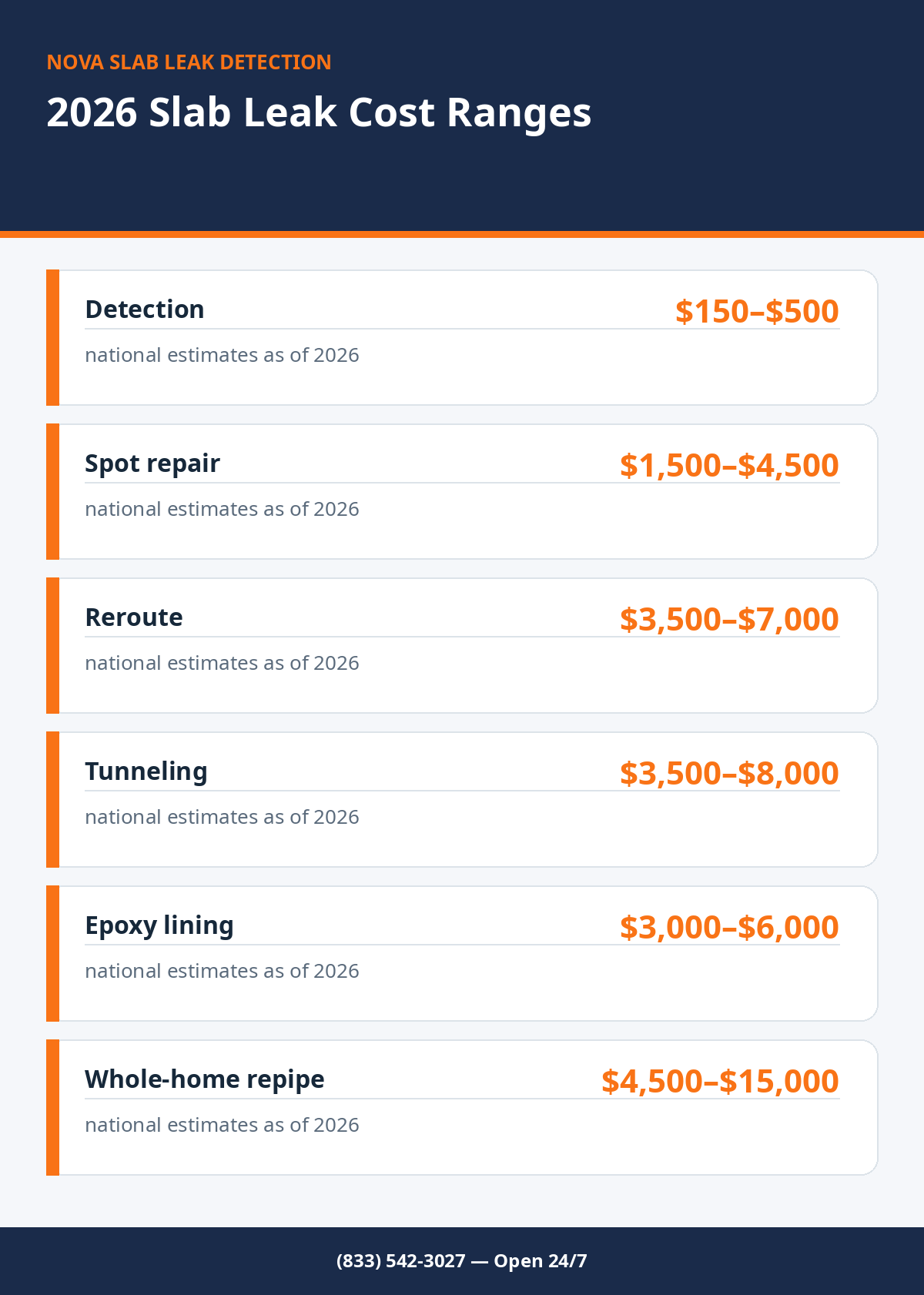
After we map your leak, your technician explains the fixes that fit. Each price is a national estimate as of 2026.
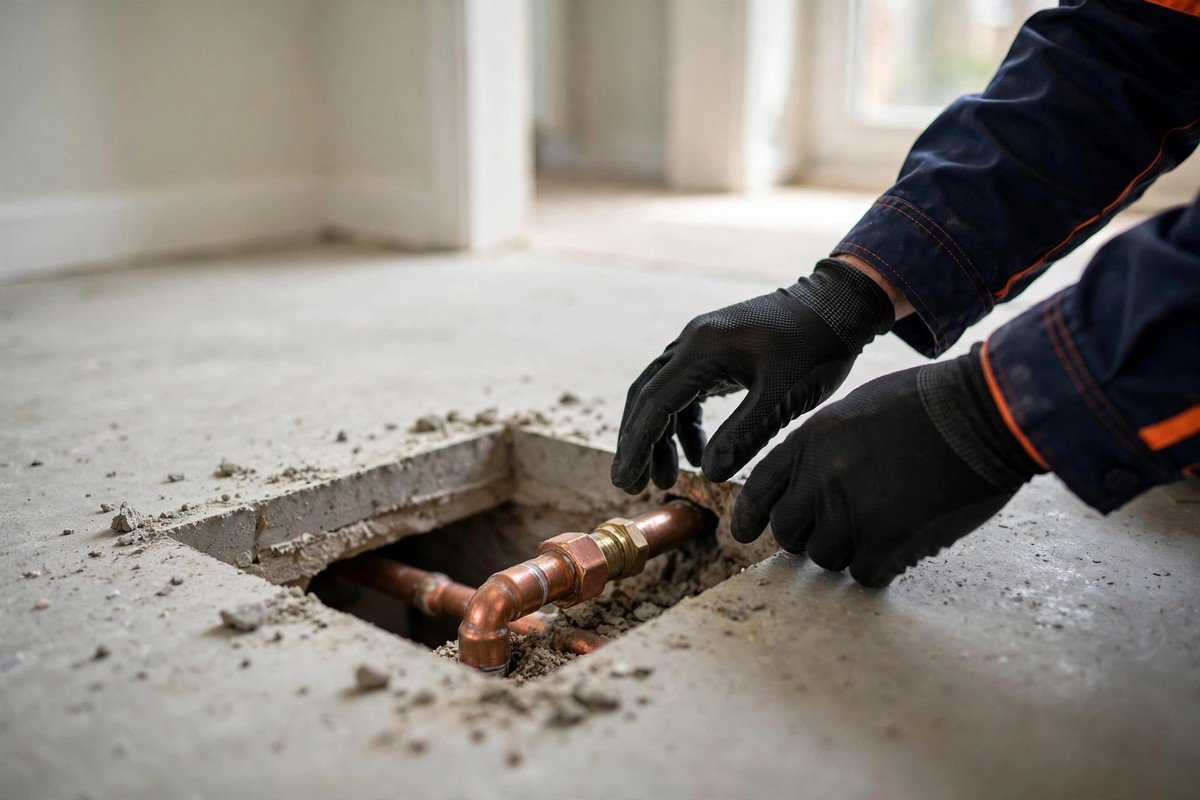
- Spot repair — We lift one small slab patch and fix the one leak. A spot repair stays put in the national $1,500 to $4,500 band. Ideal for newer pipe with one bad spot.
- Pipe reroute — We run new lines through attics or walls. A reroute stays in the national $3,500 to $7,000 band. Often the best fix for pre-1980 copper.
- Tunneling — We bore to your pipe from outside, under the slab. Tunneling stays in the national $3,500 to $8,000 band. It keeps finished floors safe.
- Whole-home repipe — We change out each old line in your home. A whole-home repipe stays in the national $4,500 to $15,000 band. Worth a hard look for old 1960s and 1970s pipe runs.
National estimates as of 2026 quote a leak check at $150 to $500. Tough jobs can top $600.
Hid leaks here push high water bills up. They cause hot spots on floors. Our repair team and Cypress cost guide cover next steps.
My home was built in 1962. Reroute or full repipe? With old copper past sixty years, a repipe often breaks the leak cycle. A reroute suits it when just one line is failing.
Ring (833) 542-3027 now. We serve Cypress and all of California.
FAQs
How much does slab leak detection cost in Cypress? National estimates as of 2026 quote the cost at $150 to $500. Tough jobs can top $600. Written notes and firm fix prices are yours.
Do you serve all of Cypress? Yes. We cover the full 90630 ZIP, north and south of Katella.
Why do pre-1980 homes leak so often? Copper lines from before 1980 are now over forty-five years old. Hard water and soil shift wear them to tiny holes.
My home was built in 1975. Are leaks likely? Homes from the 1970s are now fifty years old. They sit in the leak window. A visit hands you a clear read.
How long does the check run? One to three hours for most homes around town.
Does homeowners insurance pay for slab leaks? Plans vary by firm. Most pay for water harm, not pipe fixes. Check your own plan.