
Why Do Culver City, CA Homes Get Slab Leaks?
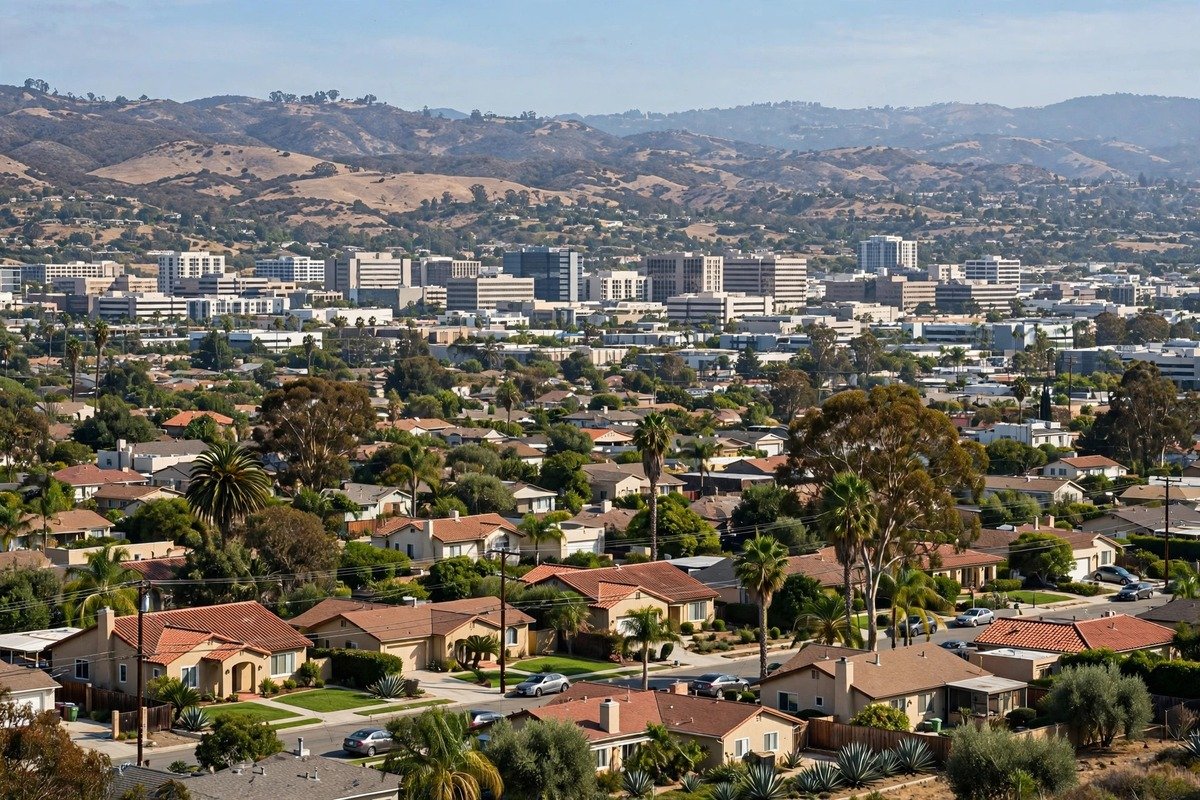
Slab leak detection in Culver City, California, spans a century of housing. Culver City holds 1920s bungalows, post-war ranches, and Fox Hills condos. Each era fails differently. Our technicians read the pattern by neighborhood: the oldest homes carry original lines 70 to 100 years old.
The ground here adds its own pressure. Culver City sits close enough to the coast for marine-influenced clay soils that swell and shrink with the seasons, working pipe joints loose over years. The Ballona Creek corridor and the low-lying areas nearby mean some blocks deal with higher groundwater, which keeps soils around slabs damp and mobile. Add the zone’s mineral-heavy water — scaling copper interiors and seeding pinholes — and the long hot summers cycling each slab. Even well-built lines wear out.
The town’s studio history matters too. Neighborhoods that grew around the old MGM lot — now Sony Pictures Studios — filled in during the 1920s through the 1950s. Many of those homes have never been repiped. Past remodels, common in this sought-after town, layered new work on old lines. Our slab leak warning signs guide covers what to watch for in each era of home.
What Are the Early Signs in a Culver City Home?
Whatever the era of your home, the signs rhyme. A water bill that rises with no change in habits is the first clue. So is a warm patch on the floor that never cools. Listen for running water in a quiet house. And look for cracked tile, warping baseboards, or a musty smell near the slab. In older bungalows, also watch for damp spots where the slab meets the foundation. A century of settling opens pathways for leaking water to surface at the edges.
My 1920s bungalow has sloped floors. Is that a leak? Old homes settle, so slope alone isn’t proof. But new or worsening slope paired with moisture or a high bill deserves a scan.
Why is my condo’s water bill allocated so high? Shared slabs and shared lines mean one unit’s leak can raise everyone’s usage. If your HOA bill jumps, the building may have a slab leak. Check our high water bill page for clues.
**Can coastal air damage pipes under a slab? Salt air rusts bare metal, not buried lines. But in beach-adjacent cities, the damp, salty soil environment ages everything a little faster.
Fox Hills condo owners should note: in shared-slab buildings, a leak in one unit can show signs in another. Coordinate with your HOA early.
Which Culver City Neighborhoods Do We Serve?
We serve the whole town. Our technicians visit the historic neighborhoods around downtown and the Sony Pictures Studios lot, with their 1920s–50s homes. They also cover the home streets of Culver West to the coast. We cover Fox Hills and its condo complexes. We cover the Blair Hills and Carlson Park areas, the Lindberg Park area, and the blocks along the Ballona Creek corridor. From century-old bungalows to modern townhomes, each Culver City address is in our service area.
Areas and ZIP Codes We Serve in Culver City
Culver City uses four ZIP codes. We cover all of them:
- 90230 — central Culver City, including downtown, the studio district, and the historic neighborhoods.
- 90231 — the surrounding central addresses and home blocks.
- 90232 — Fox Hills, the condo complexes, and the southern neighborhoods.
- 90233 — the remaining Culver City addresses, including areas at the town’s edges.
Our California service page lists the neighboring Westside areas we also serve.
What Happens During Your Culver City Detection Appointment?
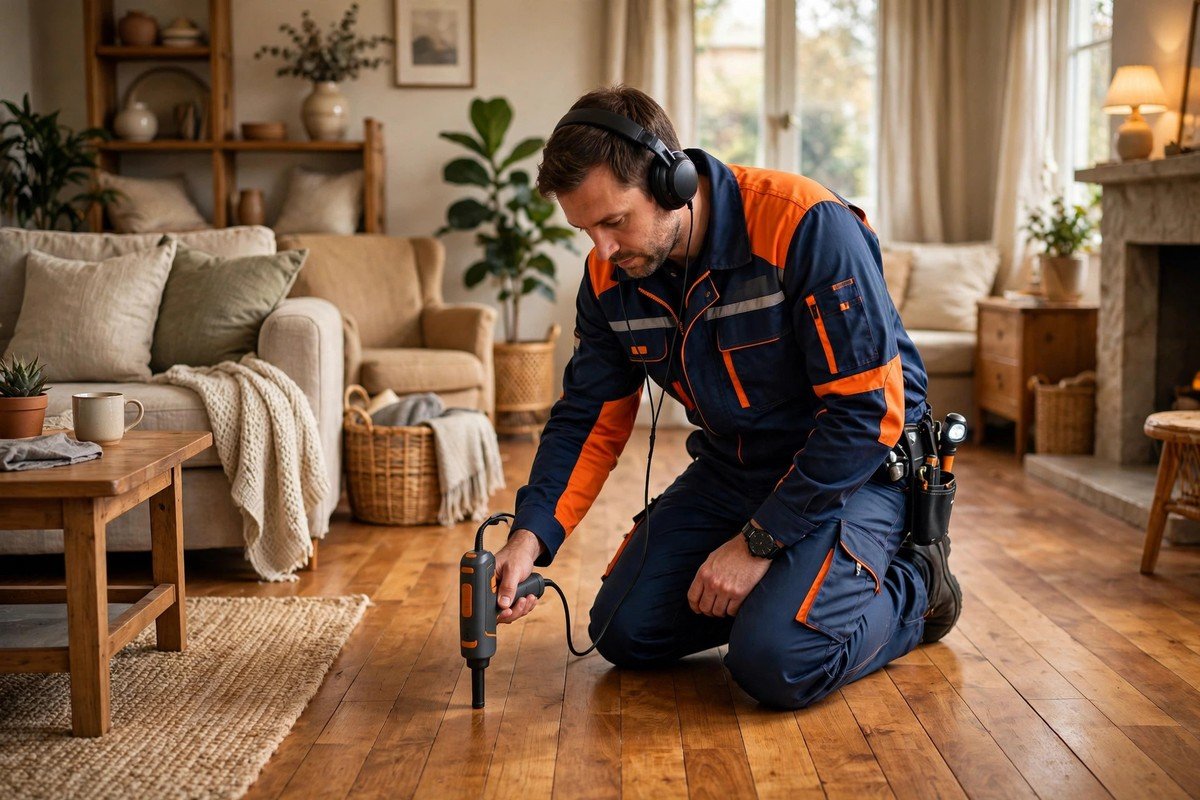
Call (833) 542-3027 — we answer 24/7. Your technician arrives in Culver City with a proven process that often takes 1 to 3 hours. Acoustic listening comes first, detecting water escaping a buried line — the way behind our acoustic leak detection service. Thermal imaging follows across your Culver City home, mapping hidden hot and cold patterns in floors as in our thermal imaging leak detection service. For stubborn leaks, tracer gas is introduced into the isolated line and followed to the exact breach, per our tracer gas leak detection process.
Can you find a leak in a condo with shared walls? Yes. Your technician isolates your unit’s lines and works with the HOA on access if common areas are involved.
Will detection damage first hardwood or tile? No. Each way is non-invasive. We find the leak before any repair discussion.
How precise is the location? We often pinpoint within 1 to 3 feet, so any repair opening stays minimal.
Do I need to be home? It helps to be there at the start for the history. Many homeowners carry on with their day after that.
In Culver City’s oldest homes, your technician checks the original line materials and the mixed joints where years of remodels tied in. Those are the likeliest failure points.
What Does Slab Leak Repair Cost in Culver City?
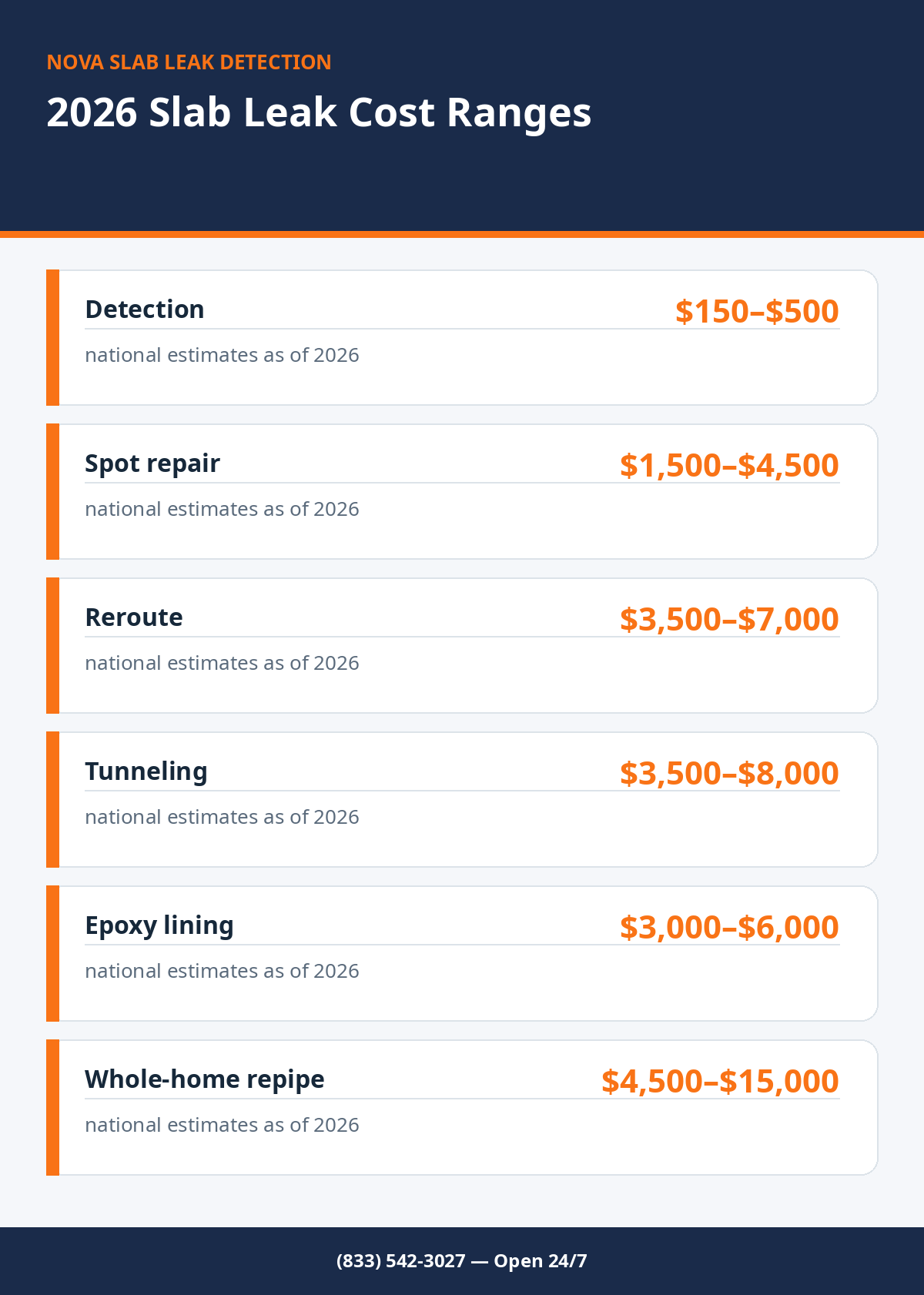
After detection, your technician presents clear choices with honest pricing. The costs below are national estimates as of 2026 for Culver City.
| Repair option | National estimate as of 2026 | When we recommend it |
|---|---|---|
| Slab leak detection | $150–$500 (complex cases to ~$600) | The essential first step |
| Spot repair | $1,500–$4,500 | One leak in a line that is otherwise sound |
| Reroute | $3,500–$7,000 | The old line is failing; a new path bypasses the slab |
| Tunneling | $3,500–$8,000 | Deep leak under finished floors worth saving |
| Epoxy lining | $3,000–$6,000 | Isolated weak points in a mostly intact pipe |
| Whole-home repiping | $4,500–$15,000 | Original 70-plus-year-old plumbing failing repeatedly |
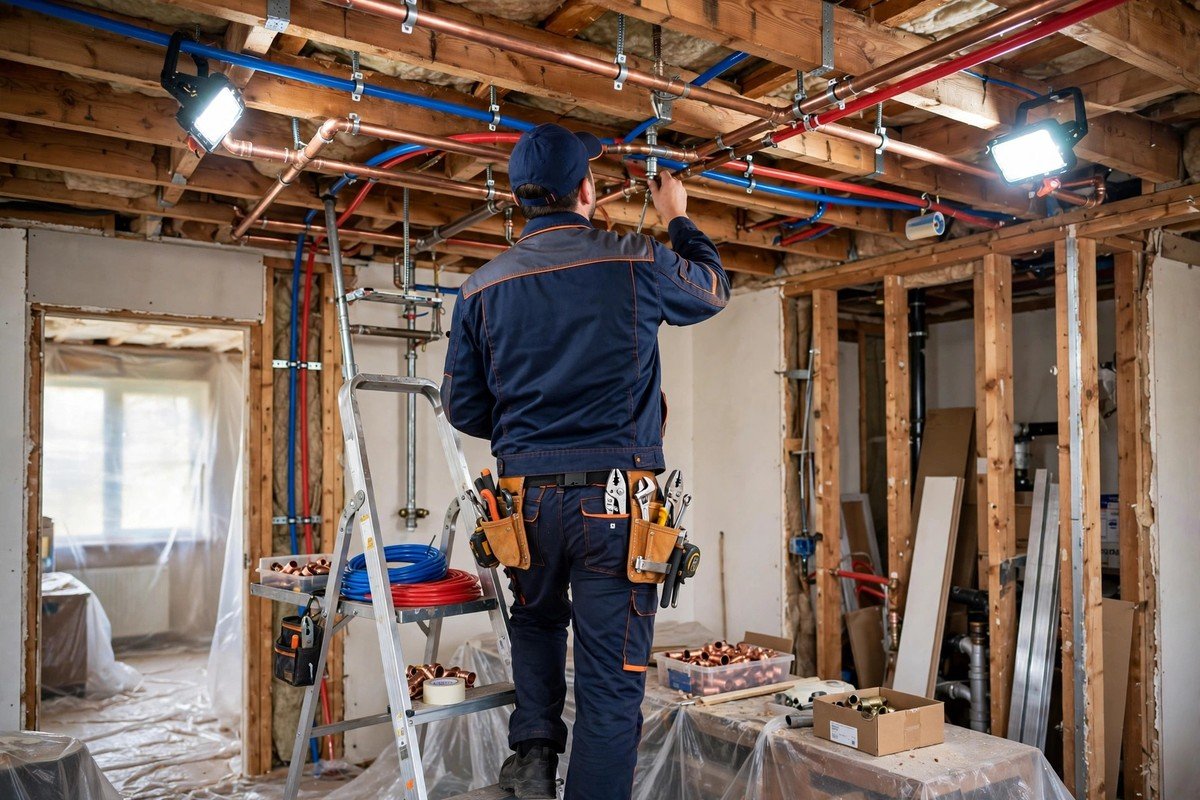
For a 1920s–50s bungalow with original pipe and repeat leaks, a reroute or full repipe tends to end them. Learn about whole-home repiping on our site. A first-time single leak in Culver City is often a clean slab leak repair. Our cost guide breaks down Culver City’s pricing factors.
Is a reroute feasible in a small historic bungalow? Yes — short runs make reroutes straightforward, and small wall openings patch cleanly.
Does insurance cover slab leak repair? Plans vary. Many plans cover Culver City water damage but not the pipe repair itself. Ask your agent about your coverage.
FAQs
How much does slab leak detection cost in Culver City?
For Culver City homeowners, detection runs $150–$500 nationally as of 2026, with hard cases reaching about $600. In Culver City, you get the pinpointed location and a repair estimate before deciding anything.
Are slab leaks common in Culver City’s oldest homes?
Yes. Homes from the 1920s–50s carry original pipe at or past its usual lifespan. The area’s clay soils and mineral-heavy water add wear. Many are experiencing repeat leaks now.
My Fox Hills condo has a warm floor. Who is responsible?
That depends on your HOA’s CC&Rs — some assign in-unit pipe to owners, others to the association. Get the leak located first; the report helps settle responsibility.
Can you work around tenants in a rental property?
Yes. We coordinate with tenants or home managers for access, and most visits take only 1 to 3 hours.
Does the marine layer moisture cause slab leaks?
Coastal dampness doesn’t break pipes directly. The shrink-swell clay soils near the coast stress buried lines over time. It is a contributing factor, not a main cause.
Do you offer 24/7 service in Culver City?
Yes — each day, around the clock. Call (833) 542-3027 any time.
Call (833) 542-3027 now. Nova Slab Leak Detection is open 24/7. Our technicians deliver pinpoint answers for Culver City homes — from 1920s bungalows to Fox Hills condos.