
What Puts Highland Homes at Risk for Slab Leaks?
Highland sits against the San Bernardino foothills. Summer heat bakes slabs. The water runs hard. River soils shift under foundations. Our Highland slab leak detection service finds hidden pipe leaks under concrete slabs before they wreck floors and walls. Heat expands pipes. Hard water wears them thin. Foothill ground moves them. That triple hit drives local leaks.
Heat stands out most. Summer highs here top 100 degrees year after year. Concrete slabs soak up heat all day and let it go slow at night. Pipes under the slab swell and shrink with each cycle. Copper takes some flex, but decades of daily shift wear the metal down. Joints and elbows feel it first. Homes along the foothill edge catch heat bouncing off the slopes. They see the worst of it. South-facing slabs bake the hardest.
The water is hard. East Valley supplies carry heavy mineral loads. Calcium and magnesium form scale inside pipes. Scale narrows the line and lifts pressure at bends and joints. Over 30 to 40 years, that pressure wears pipe walls from the inside out. Pinhole leaks follow. East Highlands Ranch and the 1980s and 1990s tracts are in that window now. Their first pipes are giving out right on time.
The ground is alluvial fan soil. It washed down from the hills over thousands of years. It mixes sand, gravel, and silt. It drains fast in some spots and holds water in others. Lawns stay damp near foundations while native ground stays dry. That wet-dry line moves soil. Moving soil tugs on buried lines. Even small tugs add up over decades.
The old town brings its own risk. The old core near Church Street holds homes from the early 1900s. Their plumbing has been patched across a 100 years. Mixed metals and tired joints fail faster than clean new systems. Additions over the years left odd joints in odd places. Each one is a weak spot.
Which Neighborhoods Do We Serve in Highland?


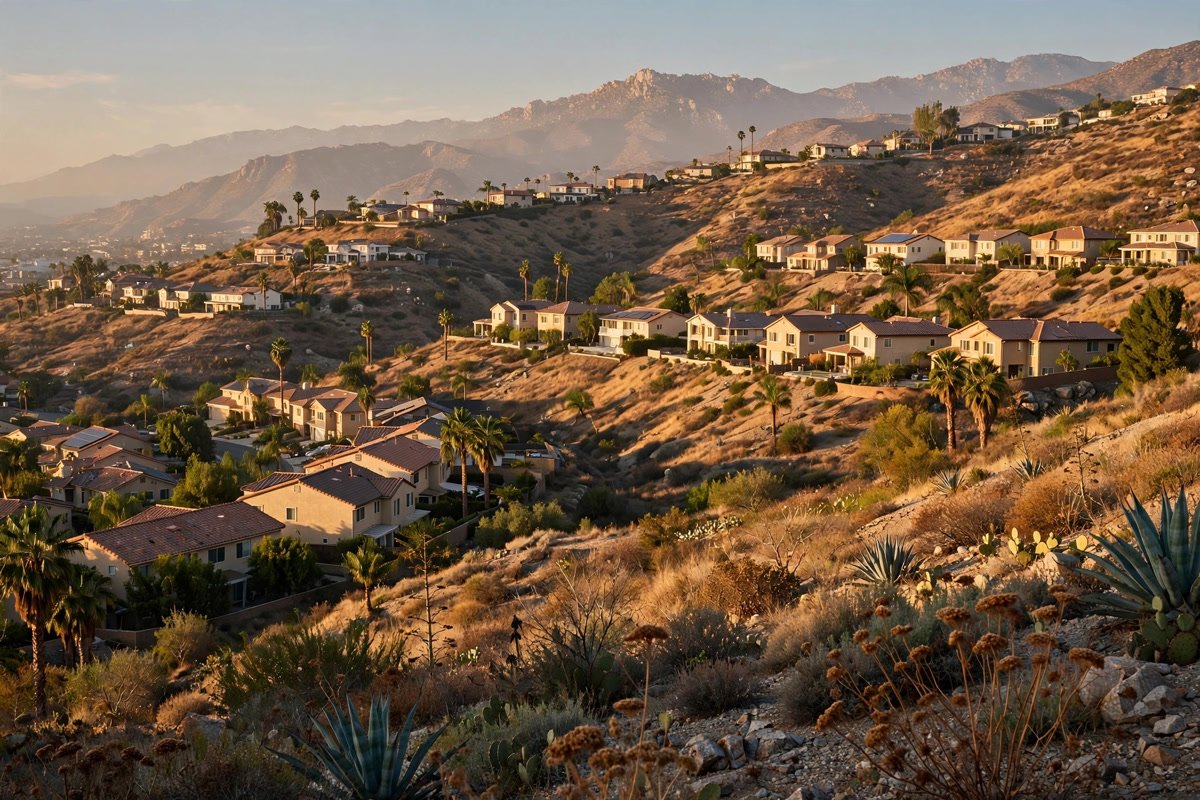
We serve all of town, from the old core to the foothill edge. We visit these areas most.
- East Highlands Ranch, the big 1990s planned area.
- Old downtown Highland, early-1900s homes near Church Street.
- Greenspot area, rural-edge homes near the wash.
- San Manuel village edge, older homes near the tribal border.
- Cunningham Drive area, mid-100 years tracts.
- Foothill area, homes set against the slopes.
- Baseline area, mixed shops and homes.
Q: Do you serve the foothill tracts? A: Yes. We cover each part of town, even the homes tucked by the slopes.
What Are the Warning Signs of a Slab Leak in Highland?
A water bill that jumps with no change in use is the classic first clue. Feel for warm spots on tile or concrete floors. A hot water leak heats the slab above it. Listen for water running when each tap is off. That sound means pressured water is getting out.
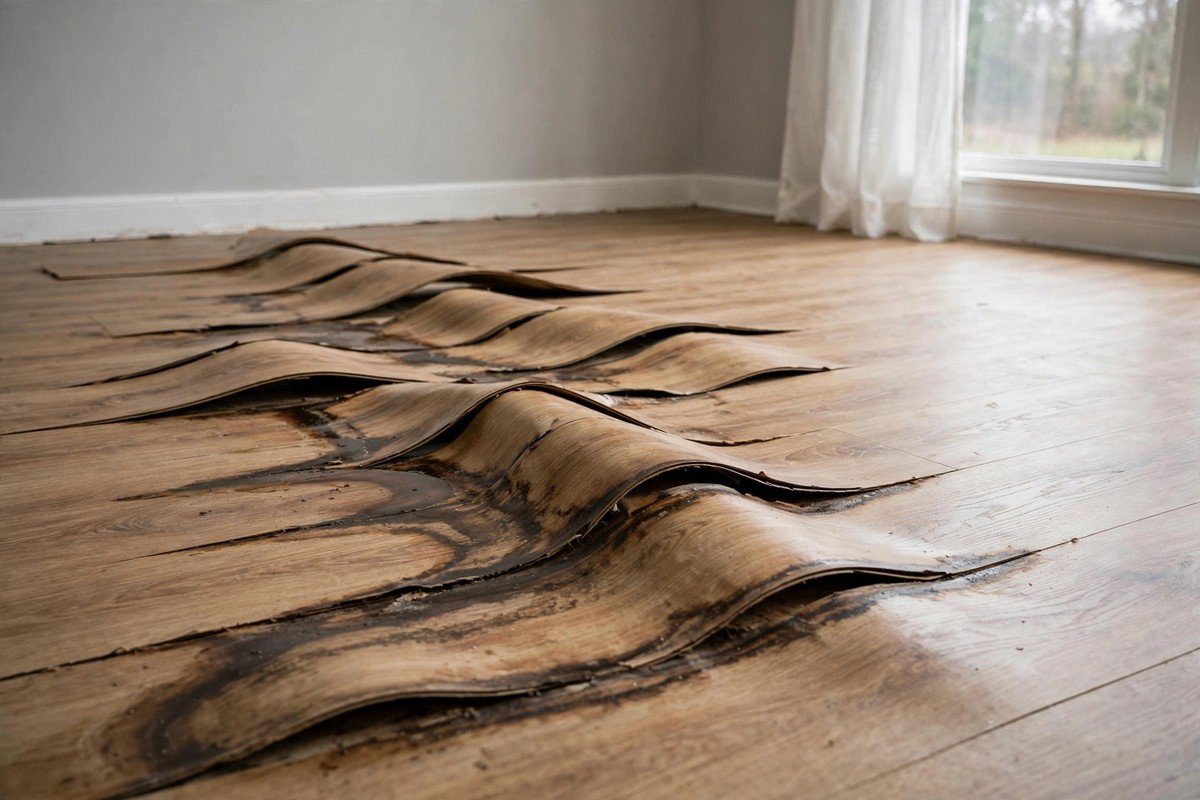
In Highland, look for damp carpet, warped wood, or grout that stays dark. Sniff for a moldy smell near the walls. Outside, check for foundation cracks spreading from the slab edge. Heat here can crack slabs on its own. Pro testing tells a leak crack from a heat crack. Watch the hose bibs too. Drips there can mask a slab leak.
Q: Can summer heat alone crack my slab? A: Yes. Fierce heat swells concrete and can open face cracks. But a leak below makes it worse. We test to learn which you have.
Do not brush off these signs. A small leak in 100-degree heat feeds mold fast. It also washes soil from under your slab. Call early and keep the fix small.
Areas and ZIP Codes We Serve in Highland
Highland has one ZIP code, and we serve all of it.
- 92346.
Call any time. We answer 24 hours a day, 7 days a week.
What Happens During Our Slab Leak Detection Visit in Highland?
Your technician starts with your signs. Then comes a water meter check. A dial that moves with taps off proves water is getting out. Then we map a test grid across your slab. Each test point gets marked. We work room by room.
Acoustic testing comes first. Ground mics scan the floor for the hiss of escaping water. We mark the loud spots. A thermal camera follows. In Highland, it maps warm spots from hot leaks and cool zones from cold ones. In the heat we test early in the day. We also read around sun-warmed floors. That keeps results true.
Faint leaks get tracer gas. We close the suspect line and fill it with a safe gas mix. Sensors find the spot where gas rises through the slab. That pinpoints the break inside 1 to 3 feet. The visit takes 1 to 3 hours. No digging. No damage. You get written findings plus clear next steps.
Q: Does summer heat skew the thermal camera? A: We plan for it. Your technician reads around sun-warmed spots and seeks true temp shifts.
Q: How soon can you come? A: We are open 24/7. Same-day and next-day visits are the norm.
Read our full slab leak detection process here.
What Are My Slab Leak Repair Options in Highland?
Your technician will pick the fix that fits your home, your soil, and your budget. National estimates as of 2026 are below.
- Detection visit in Highland: $150 to $500. Tough homes run up to about $600. Full sound, heat, and tracer gas testing with written findings.
- Spot repair: $1,500 to $4,500. We open one small slab section. We swap in new pipe for the bad part.
- Pipe reroute: $3,500 to $7,000. A new line runs through the attic or walls. The old under-slab line stays put, unused.
- Tunneling under the slab: $3,500 to $8,000. We dig beneath the slab to reach the pipe. Your floors stay whole.
- Epoxy pipe lining: $3,000 to $6,000. We coat the pipe insides to seal pinholes and fight hard-water scale.
- Whole-home repipe: $4,500 to $15,000. We replace the full system when leaks keep coming back.
Hard water harm often runs system-wide here, so repipes are common. Attic reroutes dodge the heat-baked slab. Ask about a softener too. Softer water spares new pipes. Compare picks in our cost guide. We give slab leak repair and whole-home repipe across town.
Q: Will a repipe fix the hard water harm? A: New pipes help, but hard water wears them too. Ask your technician about treating the supply.
See slab leak help across California for more cities near Highland we serve.
We come fast. Our team is quick.
FAQs
Does heat cause slab leaks?
Heat swells pipes and slabs each day. Decades of swell and shrink wear copper down. Joints and elbows fail first. Long hot summers make this a real factor.
Why is my water bill so high all of a sudden?
A fast jump with steady use often means a pressured line leaks under the slab. Read on high water bills and slab leaks for local owners.
How long does detection take in Highland?
Most visits run 1 to 3 hours. Written findings reach you the same day with a clear repair plan.
Do you work nights?
Yes. We are open 24 hours a day, 7 days a week. Call (833) 542-3027 any time, day or night.
Should I fix a small damp spot right away?
Yes. Small damp spots grow. In Highland heat, dampness feeds mold in days. Early testing keeps the fix small and cheap.
Seeing warm spots on the floor or a bill that will not stop climbing? Ring Nova Slab Leak Detection at (833) 542-3027 to reach our team. Our technicians serve the whole town, 24/7. One call starts the fix.