
Why Does Slab Leak Risk Change With the Seasons?
Pipes under your slab feel the weather all year. Our seasonal slab leak guide shows how soil shifts. Water push and pipe wear rise and fall with the seasons too. So your leak risk moves with them. Drought shrinks soil. Storms soak it. Frost lifts it. Each change can strain the pipes under your home.
This guide lives inside our resource hub. Read the full year below. Then open the season page that fits your weather.
How Does Each Season Stress Your Pipes?
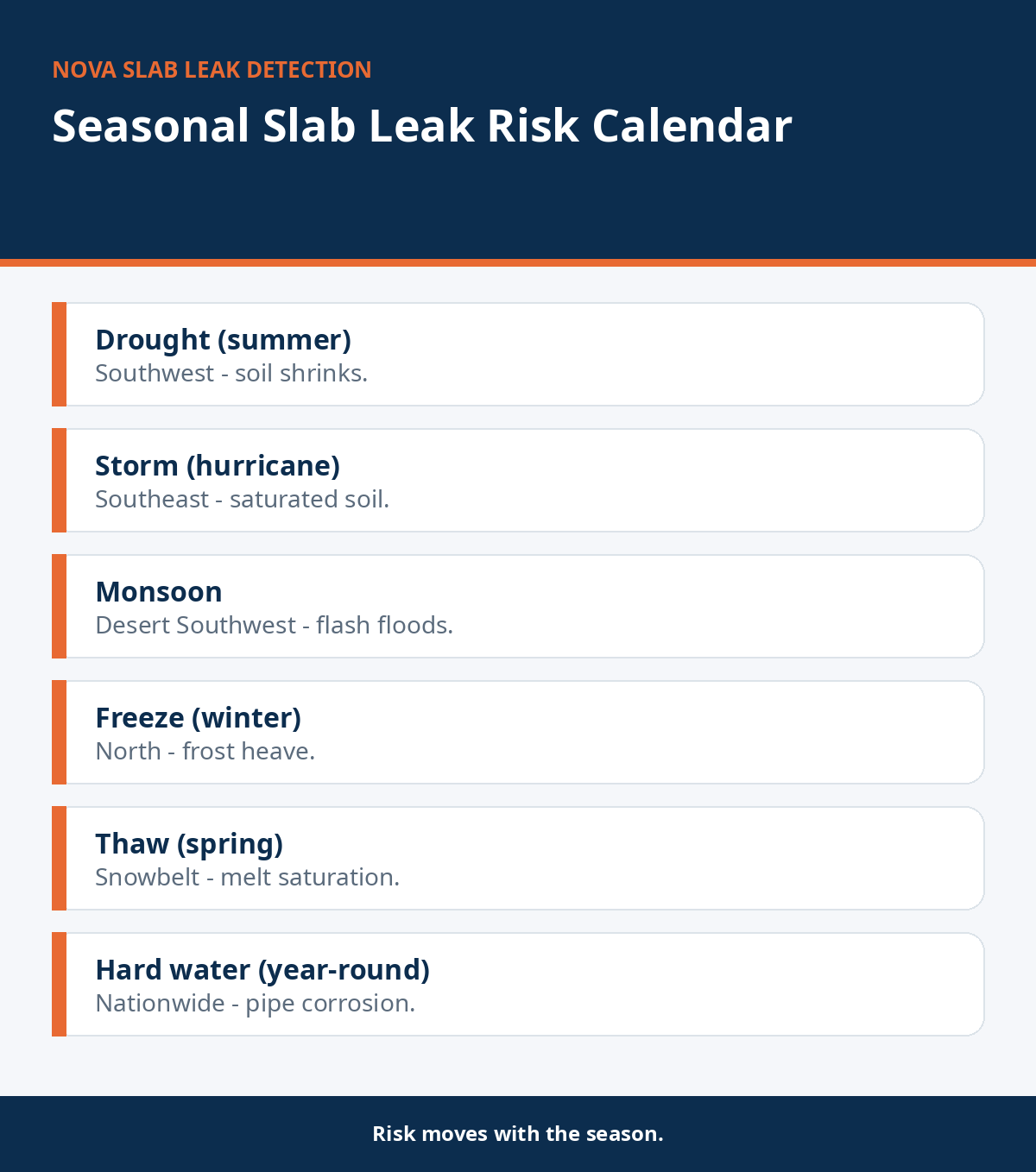
Each season hits pipes in its own way. The table sums it up. Click a row for the full guide.
| Season | Main stress on slab pipes. | Where it hits hardest. |
|---|---|---|
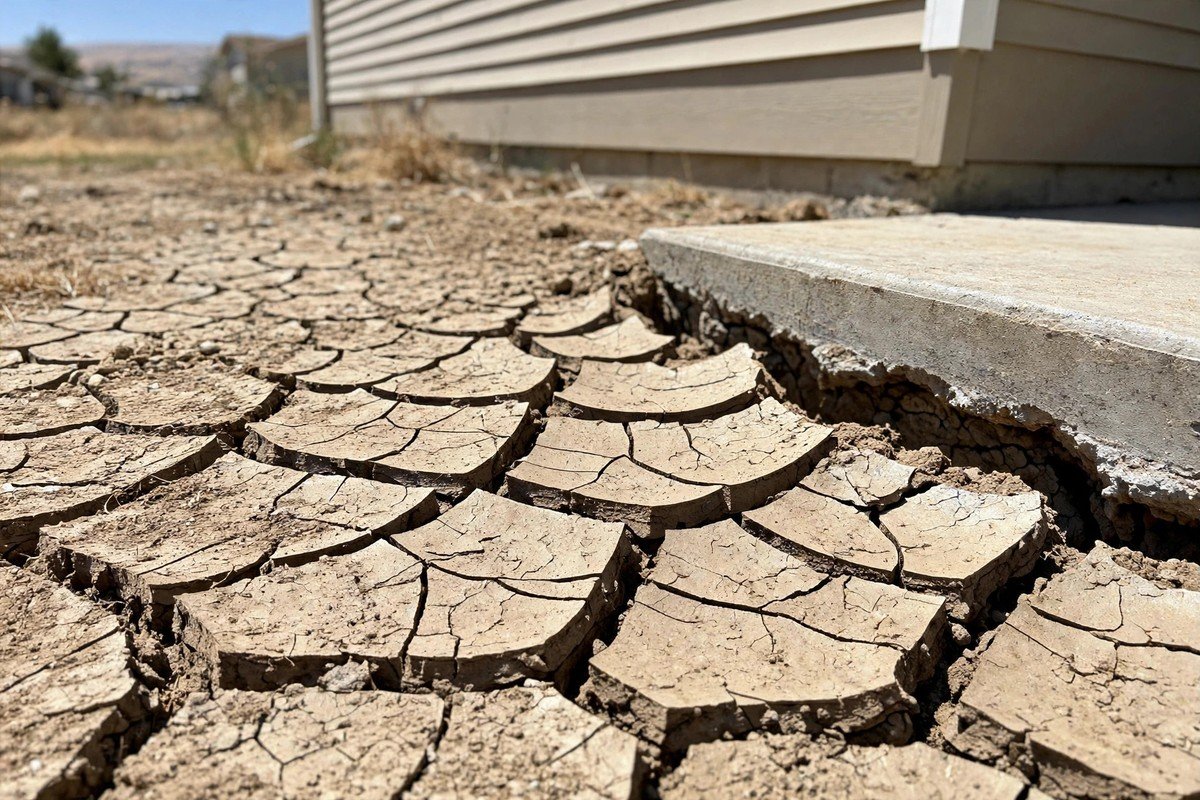
| Summer drought. | Dry soil shrinks back from the slab, so pipes lose support and shift. | Texas, Arizona, Nevada, California. |
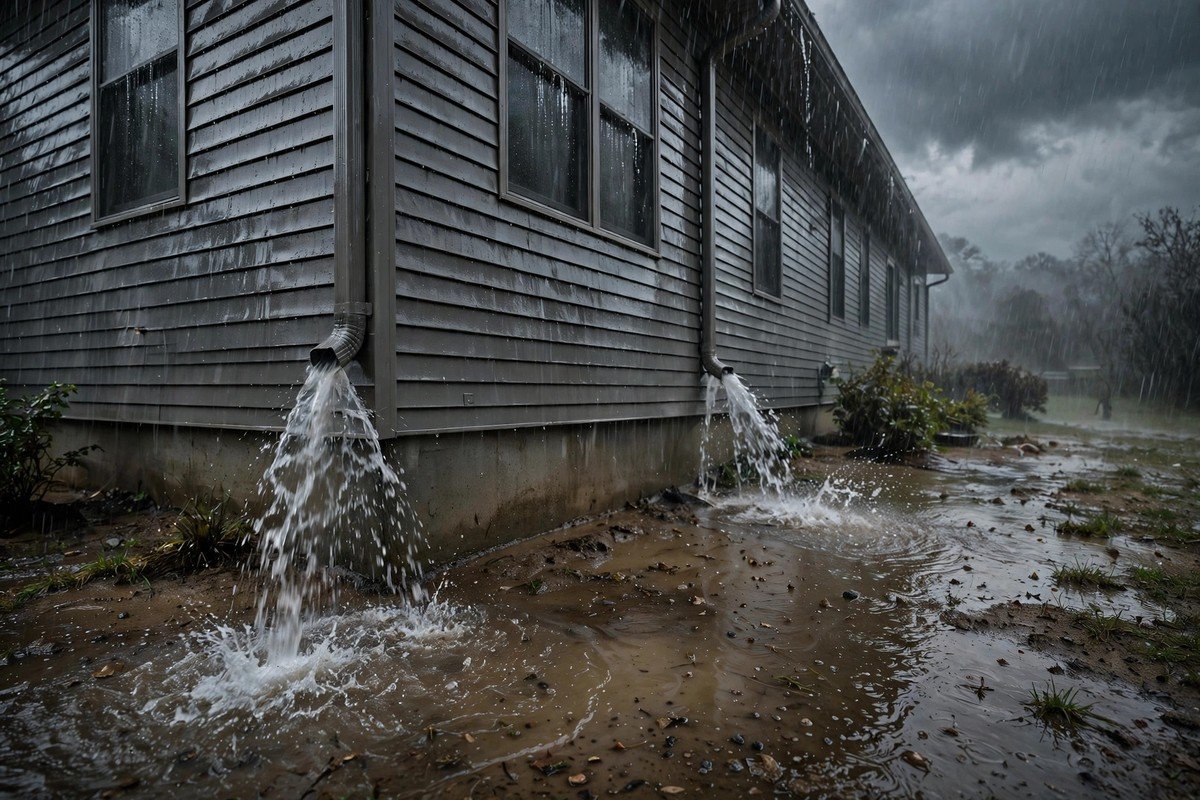
| Hurricane and rainy season. | Soaked soil swells and pushes on pipes. Storms can break lines near the home. | Florida, Gulf Coast, Louisiana. |
| Monsoon. | Fast downpours wash soil out from under the slab edge in hours. | Arizona, New Mexico. |
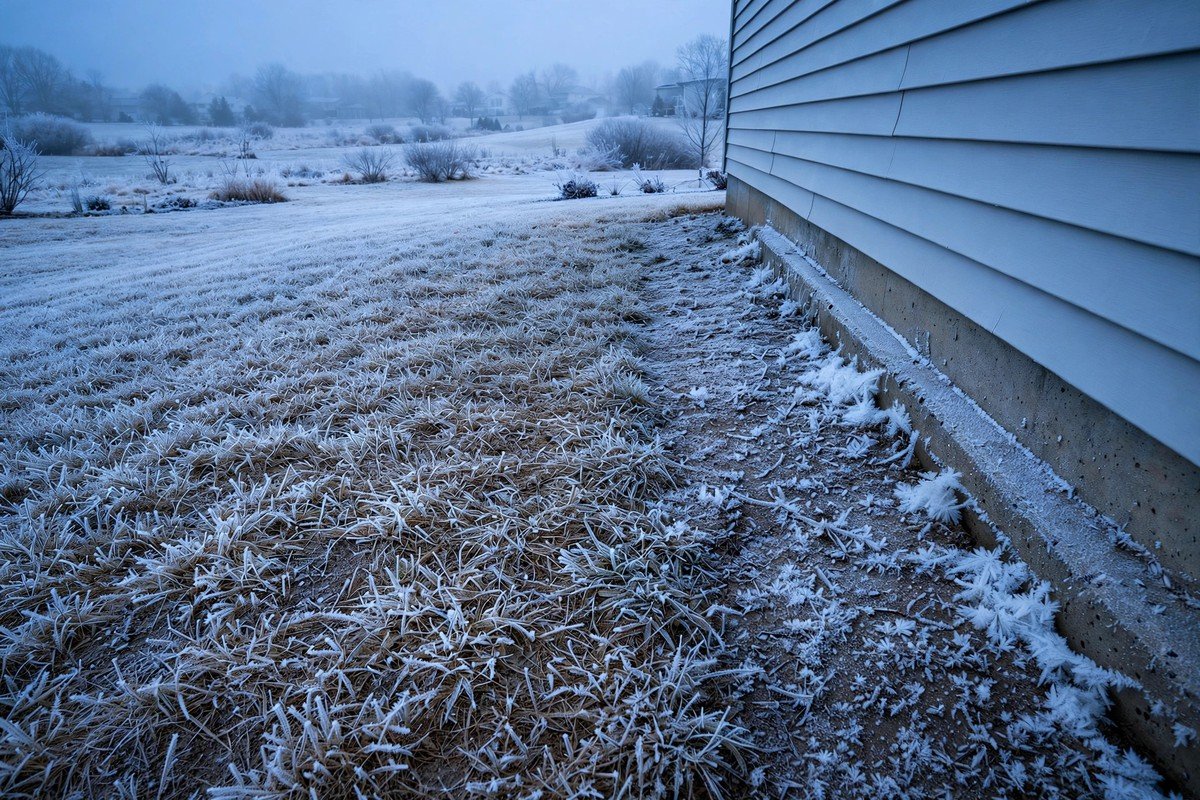
| Winter freeze. | Frozen soil lifts and pipes shrink, which strains joints and weak spots. | Northern states, the Midwest, the Northeast. |
| Spring thaw. | Melt and rain soak the soil while the thaw drops the slab back down. | Northern and mountain states. |
| Hard water, year-round. | Minerals eat copper pipe from inside, with no season off. | Arizona, Nevada, Texas, Florida. |
Why do drought and flood both cause leaks?
Both move the soil. Dry soil shrinks back from the slab. Wet soil swells and pushes up. Each shift bends pipes. Joints break first.
Does one season carry more risk than the rest?
It depends on your state. In Texas and Arizona, summer drought leads. In Florida, storm season leads. In the north, freeze and thaw lead. Know your region and watch its season.
When Should You Check Your Pipes Each Year?
Four quick checks keep you ahead of the weather. Put them on your calendar.
- Late spring. Walk the slab edge. Check bills before drought season starts.
- After storm season. Look for damp spots, cracks, or bill jumps once the rains pass.
- Before the first freeze. Keep the heat on and wrap bare pipes.
- After the spring thaw. Watch for new cracks once the ground has settled.
What one check works in every season?
Read your water meter. Turn off all water. Wait two hours. Read it again. If it moved, water is leaking out. This test takes minutes and works all year.
Where Is Seasonal Risk Highest in the U.S.?
Risk follows the weather. Texas, Arizona, Nevada, and California face dry, shrinking soil each summer. Much of Texas sits on clay. It swells when wet and shrinks when dry. That cycle bends pipes year after year.
Florida, the Gulf Coast, and Louisiana face soaked, swelling soil in storm season. Flat land holds water. High water tables keep soil wet for weeks. Northern states face frost lift in winter. Thaw drops hit in spring. Mountain states get the same cycle, plus deep snowmelt.
Then there is hard water. Arizona, Nevada, Texas, and Florida all have hard water belts. Minerals eat copper pipe all year there. In these states, you face two risks at once. Moving soil and wearing pipe.
Do slab leaks happen in mild states too?
Yes. Any home with pipes under concrete can spring a leak. Weather lifts the odds. Age and water type matter in all 50 states.
Who Should Read This Guide?
Any owner of a slab home can use it. It matters most for three groups.
- Owners in high-risk states — Texas, Florida, Arizona, Nevada, California, Louisiana, New Mexico, and northern states.
- Home buyers — a check shows what the home has lived through.
- Owners of old homes — pipes past 25 years feel each season more.
Do new homes get seasonal slab leaks?
They can. New pipes still sit in moving soil. They still carry hard water. Age cuts the odds. It never drops them to zero.
Why Act Before the Next Season Hits?
Small leaks grow. Water under a slab eats soil. It stains floors. It feeds mold. Each new season strains a pipe that is already weak. A leak found in spring costs less. The same leak found in fall costs more. Early calls mean small fixes. Late calls mean big repairs plus water harm. A small leak can run for months unseen. Your bill climbs. Your soil washes out.
Think of it like a roof. You fix a loose shingle before storm season. Do the same with your pipes. Check in the calm season. Fix before the rough one.
How Do We Find Leaks Fast After a Rough Season?
We answer 24/7 in all 50 states and D.C. Our technicians come to you. We use sound gear. We run pressure tests and heat scans. A visit takes one to three hours. We trace the leak to about one to three feet. Detection costs $150–$500 as national estimates as of 2026.
Once we find it, your technician lists fix options and clear prices. No work starts until you approve. Fast moves after a rough season save cash. It saves floors and walls too.
FAQs
What season brings the most slab leaks?
It shifts by state. Summer drought leads in Texas, Arizona, Nevada, and California. Storm season leads in Florida and the Gulf. Freeze and thaw lead up north. Hard water works all year.
Can weather truly break pipes under concrete?
Yes. Rain and sun never touch the pipes. But soil moves, and moving soil bends pipes. Joints and worn spots give way first.
How do I know if weather caused my leak?
Check the timing. Cracks after a dry summer point to drought. Damp spots after storms point to rain. Bill jumps after a freeze point to cold. Our visit can confirm it.
Should I check for leaks before I buy a home?
Yes. Get a leak check. Ask the seller about past leaks. Look for patched cracks and stained floors. It is cheap peace of mind.
Does insurance pay for seasonal slab leak damage?
It varies. Many plans pay for sudden water harm but not the pipe fix, and some bar slab leaks outright. Read your plan or ask your agent before you file. If you spot a sign this season, call (833) 542-3027 — we are open 24/7.