
Why Does the Spring Thaw Threaten Slab Pipes?
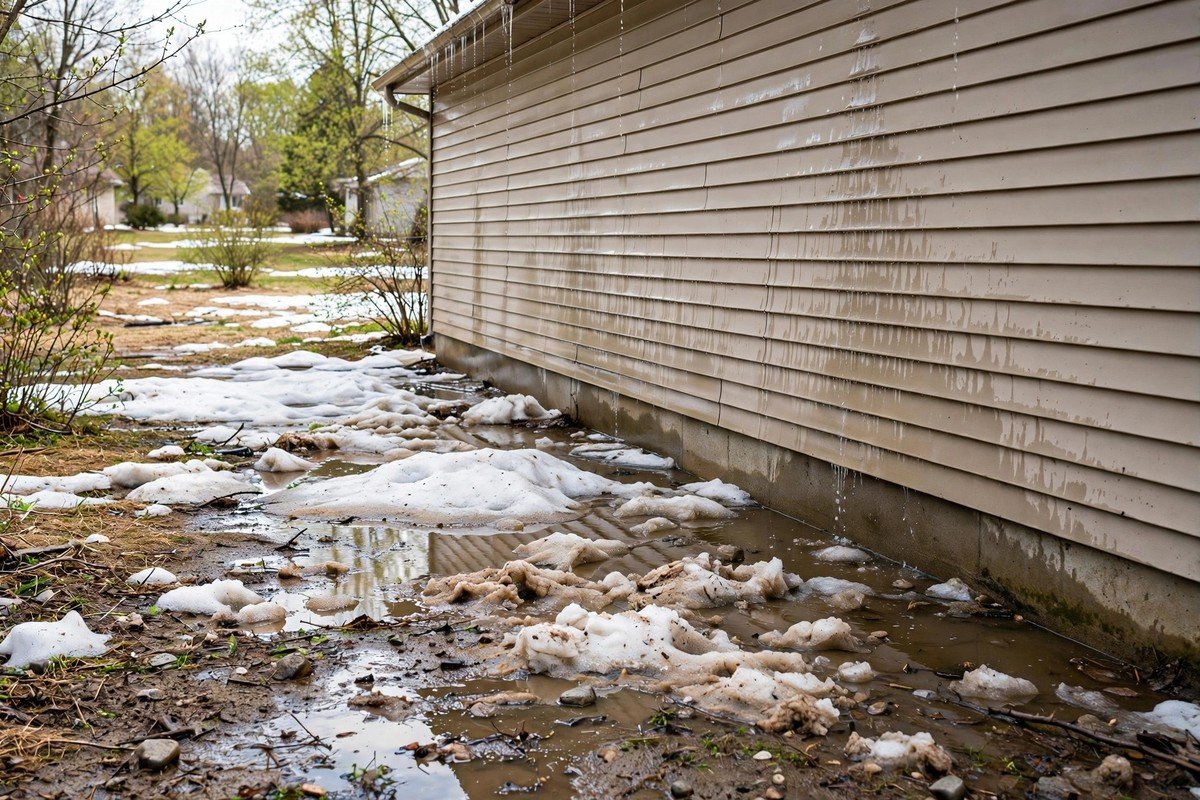
Winter lifts your slab on frozen soil. Spring drops it back down. A spring thaw slab leak forms when the slab lands on soil that shifted while frozen, bending buried pipes, while melt and spring rain soak the ground and add swell push. The thaw is when winter’s hidden harm at last shows.
This is one page of our seasonal slab leak guide. Read on for what takes place and what to check.
What Two Blows Land During the Thaw?
Two blows land at once. First, the drop. Frost lift held parts of your slab up all winter. The thaw lets it sink. Soil below moved while frozen, so the slab lands off flat. That off-flat landing bends pipes. Joints take the strain.
Second, the soak. Melt and spring rain pour water into soft ground. Soaked spring soil swells and presses on the slab from below and the sides. Pipes caught between a sinking slab and swelling soil bend both ways.
Why do many winter leaks show only in spring?
The freeze set the trap. The thaw springs it. A pipe strained all winter may hold until the slab drops in March or April. That is why the post-thaw check finds what winter hid.
When in Spring Is the Risk Highest?
Risk peaks in the main thaw, most years March through May. The risk lands in three waves.
- Early thaw — the first warm stretch drops the frost-lifted slab.
- Peak melt — melting snow soaks the ground for weeks.
- Spring storms — heavy rains land on soft ground and add swell push.
When should I run my spring check?
Wait until the ground has thawed for good and the big melt has drained. Checks run too soon miss harm from the last freeze-thaw loops.
Where Does Thaw Season Hit Slab Homes Hardest?
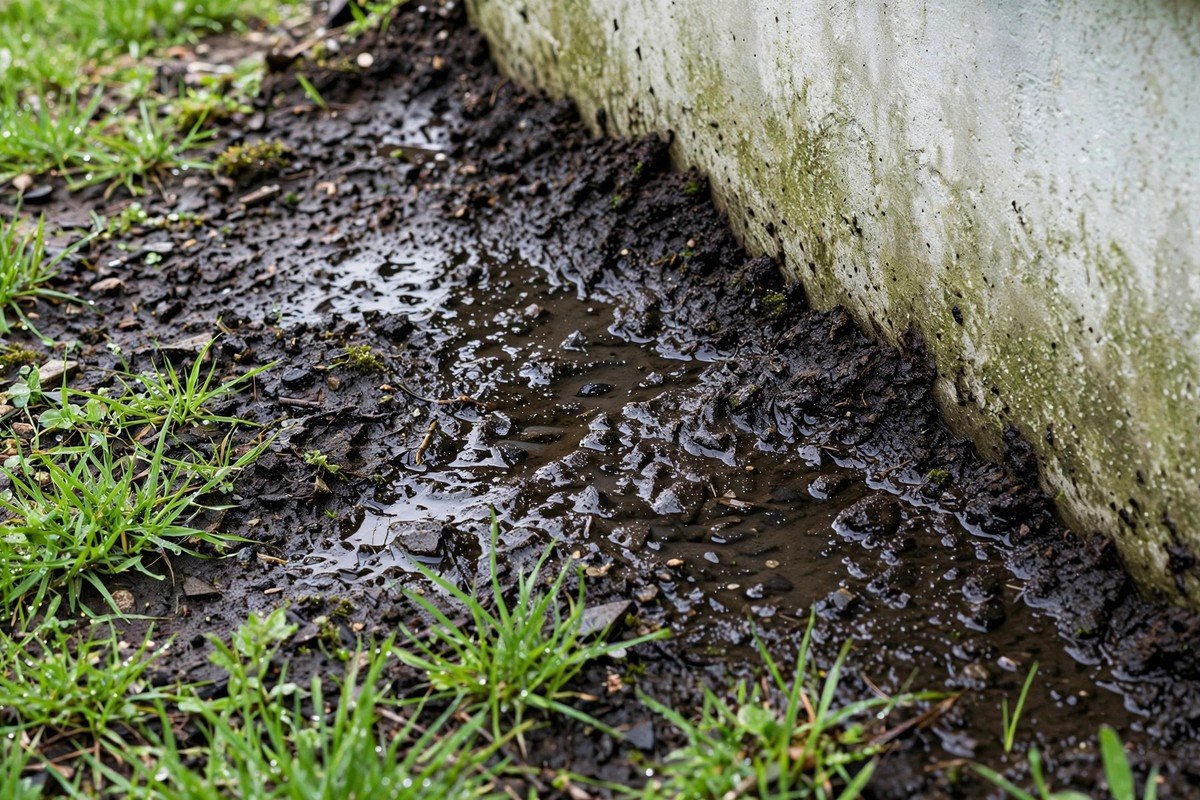
Northern states, the Midwest, the Northeast, and mountain states face the biggest thaw risk. Deep frost. Heavy snow. Long melt seasons. The deeper the frost and the more snow, the harder the spring landing.
Homes on slopes face more risk. Melt runs down and soaks soil at the base. Homes below a slope stay soaked longest. Homes with poor drains hold melt at the base instead of shedding it.
Do southern states need a spring check?
Spring rain soaks soil all over, so a light check never hurts. But the freeze-thaw drop is a northern and mountain tale. Southern owners can fold the check into a spring walk.
Who Should Watch Most Closely This Spring?
Four groups should check first once the ground thaws.
- Owners of older homes — worn pipes held through winter with the least spare.
- Homes that saw a hard winter — deep frost means a hard spring landing.
- Homes with past slab leaks — fixed spots and worn runs are the frail links.
- Homes below slopes or with poor drains — melt soaks their soil longest.
If your winter ran brutal, treat the spring check as a must, not a maybe.
How Can You Inspect Your Home This Spring?
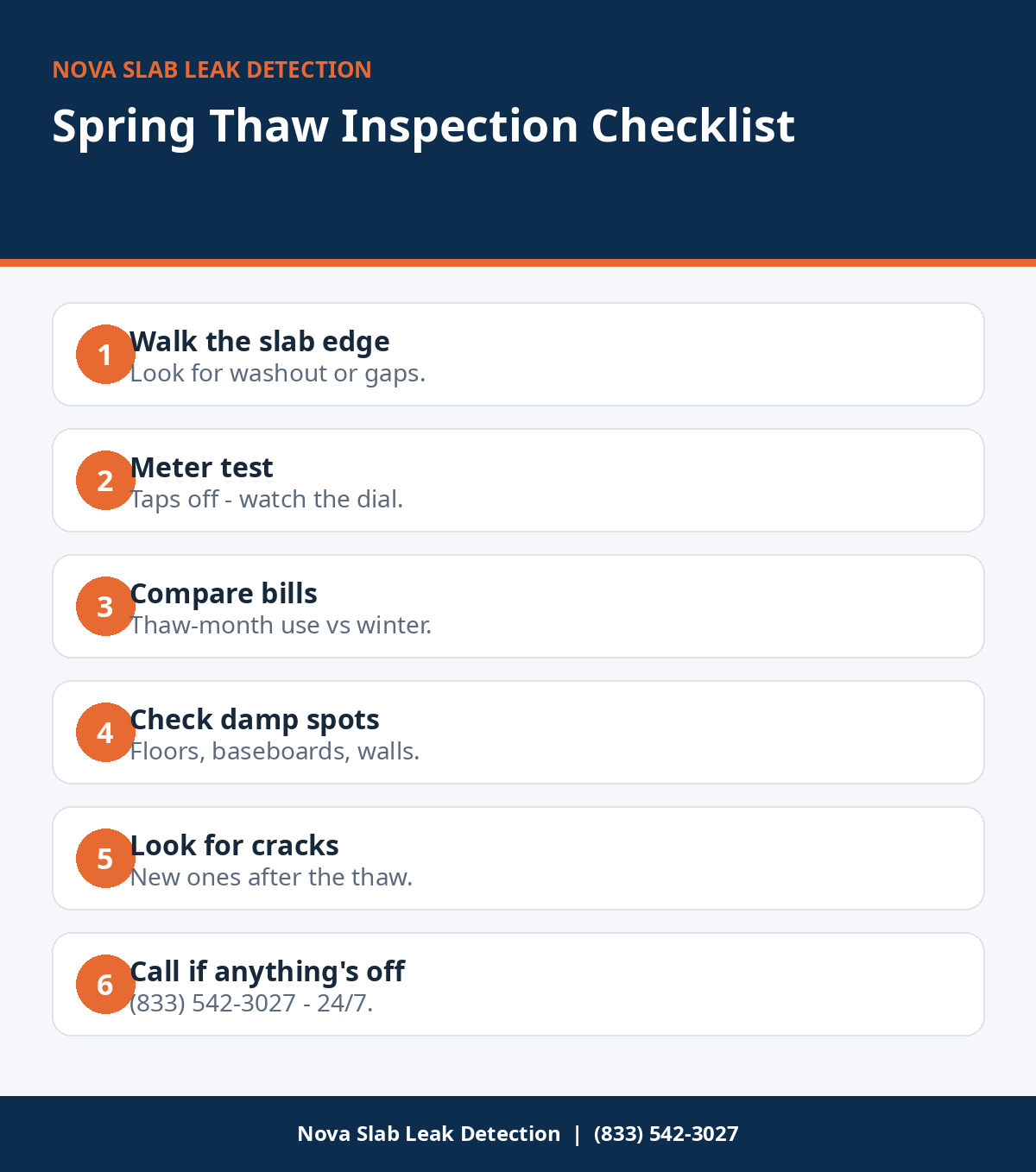
Once the ground has thawed and melt has drained, run this check.
- Walk the slab edge. Look for new cracks, gaps where soil drew back, or edges that look off flat.
- Run the meter test. Turn off all water. Wait two hours. Read the meter. If it moved, water is escaping.
- Check water bills. Match this spring’s bills to last spring’s. A jump with no change in use is a red flag.
- Walk each room. Feel for warm spots, damp or soft floors, and new wall cracks.
- Sniff for must. A damp, earthy smell in one spot points to water under the slab.
- Check the yard. Wet spots that never dry, or soil washed from the base, need a look.
- Check the grade. Make sure soil still tilts away from the house after winter’s lift.
If any step fails, call us before spring rains add more water.
What about homes that sat empty all winter?
Check them first. A cold, empty house lets frost drive deep. No one was there to spot early signs. Run the full check above before you move back in.
How Do We Run a Post-Winter Leak Check?
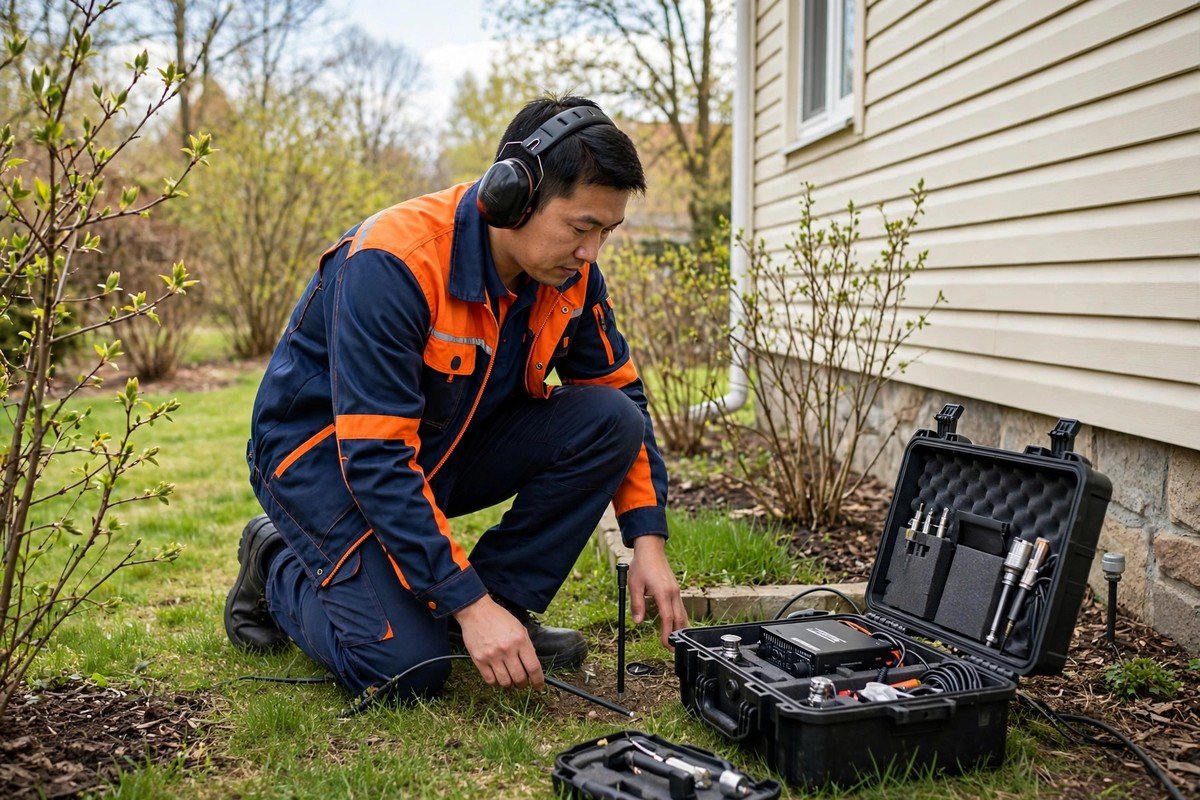
Our technicians answer 24/7 through thaw season in each northern state and in all 50 states plus D.C. A post-winter visit runs like any detection call. Sound gear, pressure tests, and heat scans trace the leak in one to three hours. We trace it to about one to three feet. Detection visits cost $150–$500, national estimates as of 2026.
Your technician will also read the soil tale. If frost lift moved your slab, that shapes the fix. Sound pipe gets a spot repair. A worn run in shifting soil may point to a reroute. Browse all options and prices in our cost guide. Winter set this damage in motion — read our winter freeze guide to guard next year.
Should I get a check if I see no signs?
If your home is old or your winter ran harsh, yes. Many thaw leaks hide for weeks with no clear sign. A clean visit buys calm for the price of one call.
FAQs
How soon after the thaw should I check?
Once the ground has thawed for good and melt has drained, most years a few weeks after the last hard freeze. Checks run too soon miss harm from the last freeze-thaw loops.
Can spring rain alone cause a slab leak?
Yes. Weeks of rain on soft spring soil can soak and swell the ground enough to strain pipes, even after a mild winter. The meter test finds what rain hides.
What does melt do to my base?
It soaks soil round the slab for weeks. Soaked soil swells and presses on the slab. It can wash support from slab edges. Good grades that shed melt are the best shield.
Is a spring check enough for the full year?
It covers winter harm, but each season brings its own risk. Fold a quick meter test and bill check into each season. See our seasonal guide for the full year.
Does insurance pay for thaw-driven slab leaks?
It shifts by plan. Fast water harm is often paid while the pipe fix often is not. Take photos and meter notes before you call your agent.
Can I run the spring check myself?
Yes. The walk, the meter test, and the bill check are all home-friendly — but only detection gear can prove a hidden leak. Run the check above this week, and call us if any step casts doubt.