
What Is Microbiologically Influenced Corrosion?
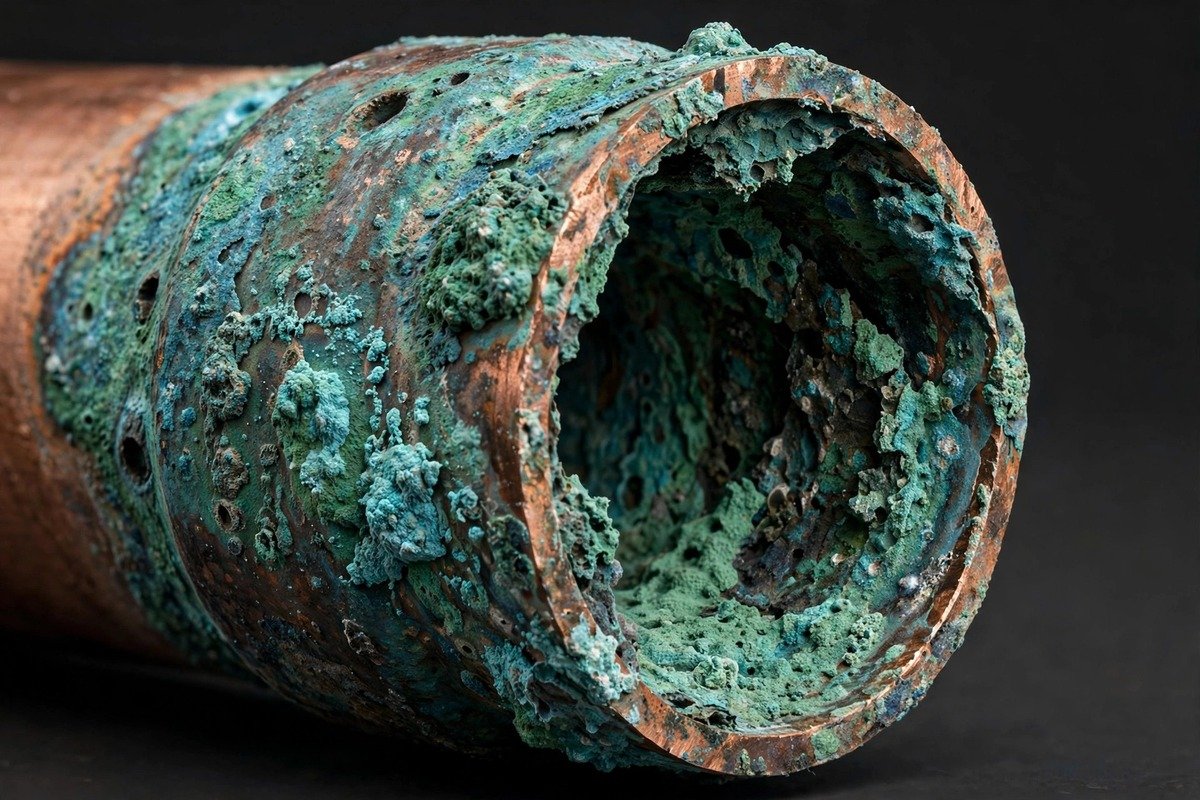
Microbiologically influenced corrosion is pipe harm sped up by germs, where germs living on pipe walls make acids that eat through metal. The long name scares people. The idea is simple. Small germs settle on pipes. Their waste harms the metal. Pinholes form. Leaks start.
How Do Germs Harm a Pipe?
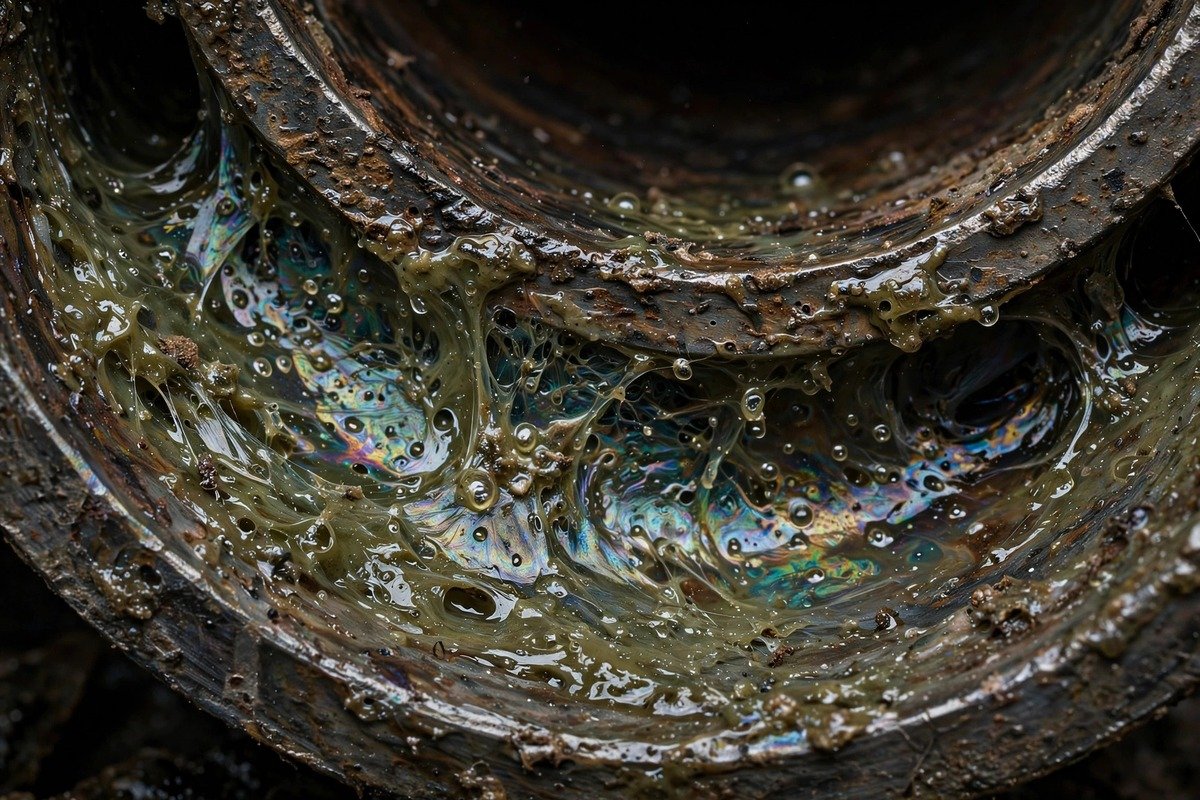
It starts with a biofilm. Germs stick to pipe walls and build a slimy layer. This layer holds water on metal. Some germs make acids as they feed. Acids eat metal. Other germs change the makeup right at the surface. The pipe wall gets thin in spots.
Think of plaque on teeth. The film itself is soft, but what lives under it does the damage. On a pipe, the result is pitting. Small pits grow into pinholes. Water leaks. You get a slab leak.
Are all pipe germs harmful? No. Many germs are harmless. Trouble starts when certain germs settle in and stay. Warm, still water helps them thrive. That is why hot water lines and low-flow areas see more of this damage.
Where does this happen most?
It happens where water sits still and warm. Hot water lines under slabs are prime spots. Dead-end runs with little flow count too. Soil around the pipe matters too. Wet, stale soil suits the germs that harm metal from the outside.
How Does the Damage Happen Step by Step?
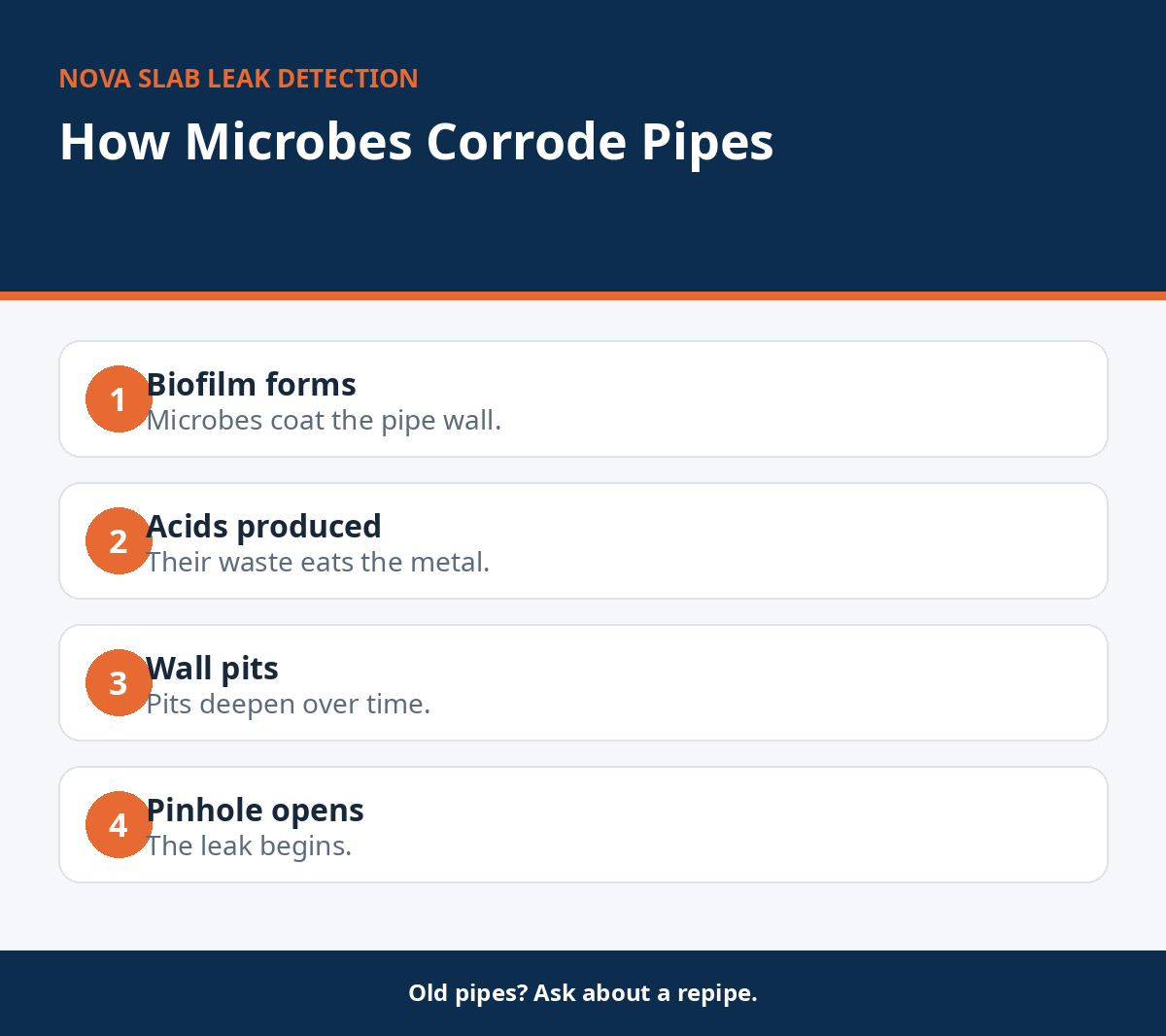
The process runs in stages. Each stage makes the next one worse.
| Stage | What happens | Result |
|---|---|---|
| Start | Germs stick to the pipe wall | Thin slimy film forms |
| Buildup | The film thickens | Acids build up |
| Pitting | Metal thins in small spots | Weak points form |
| Pinhole | The wall breaks through | Water leaks, leak begins |
How long does this take? It varies a lot. Harsh water can pit a pipe in a few years. Mild water may take decades. Water makeup, heat, and soil all play a role. There is no set time.
Can you see germ damage from outside? Seldom. The harm hides under the slab or inside the pipe. By the time a leak shows, the pitting is done. That is why our gear matters more than a guess.
Why Does This Matter for Slab Leaks?
Germ-driven pipe harm is a common cause of pinhole leaks. Pinholes are the classic slab leak starter. One tiny hole lets water out for months. The water spreads, feeds mold, and moves soil. Fixing the leak without knowing the cause can mean new leaks nearby.
Does this mean my whole pipe system is bad? Not always. Harm is often local. One part may be pitted while the rest is fine. But if germs caused one pinhole, the rest may be weak too. We check the full picture, then suggest a fix.
Can treated water stop germ damage? It can help in some cases. But once pitting starts, the damage is done. We fix or renew the weak section. Prevention helps new pipe, not pipe that is already thin.
Who Checks Your Pipes for Germ Damage?
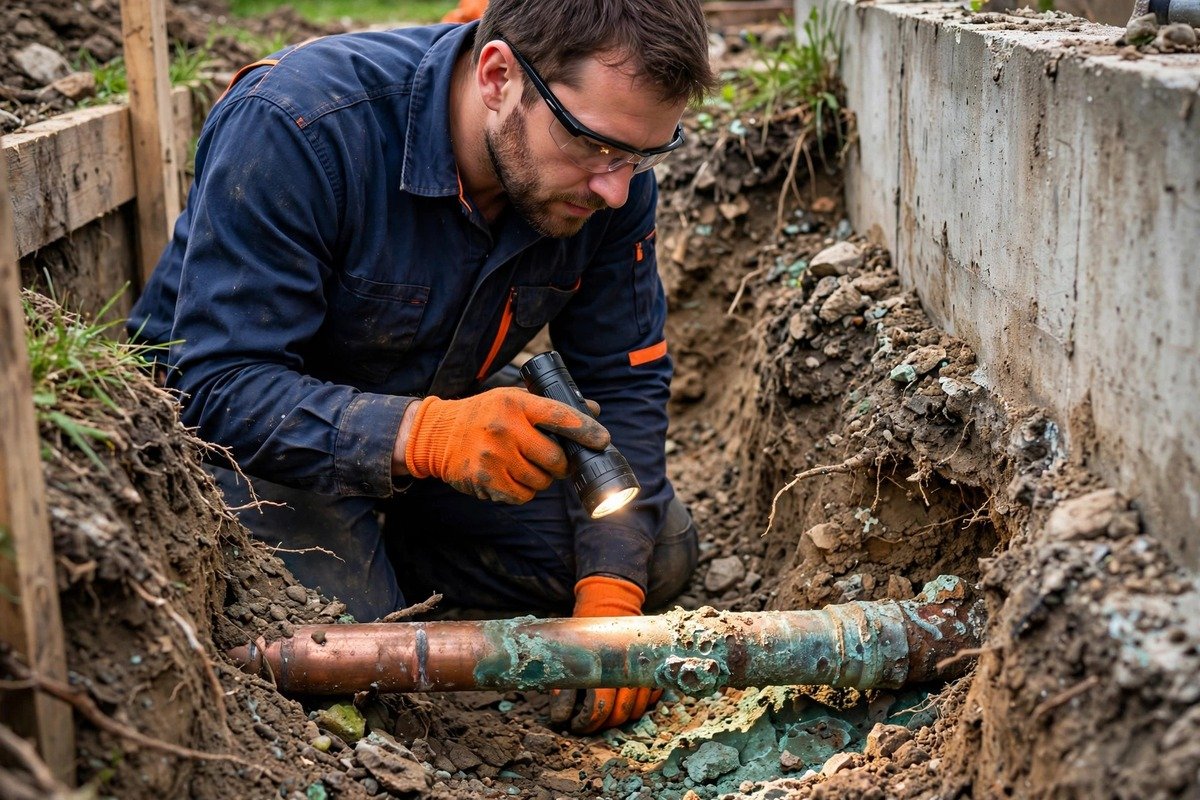
We do. Our firm Nova Slab Leak Detection does one thing: slab leak detection and fix work. Our own techs find pinhole leaks caused by pipe harm. Your tech can show you the harmed part and explain if a spot fix or a reroute makes more sense.
We do not guess. Pressure tests and sound gear find the exact leak. Then we talk options. Spot fixes run $1,500 to $4,500 nationally as of 2026. Reroute runs $3,500 to $7,000. We lay out the numbers before any work starts.
You only need full pipe renewal if the harm is widespread. Most homes need just the bad part fixed. A full repipe is for pipes with many weak spots. We will tell you straight which one fits.
How Can You Lower the Risk?
You can’t rid your pipes of germs, but you can tilt the odds. Keep water moving with daily use. Fix small leaks fast so water does not sit. If your water is harsh, ask about options. These steps slow germs down.
This post is one entry in our slab leak science hub. See our guides to water makeup and pipe damage and germs in still water under slabs. We are open 24/7 at (833) 542-3027. For pricing, see our /resources/cost-guide/.
FAQs
What does microbe-driven damage mean in plain English?
It means germs helped eat a pipe. Germs on the pipe wall create acids or other changes that eat through metal and cause pinhole leaks.
Which pipes are most at risk?
Copper and steel lines in warm, still water face most risk. Hot water lines under slabs and low-flow sections are common trouble spots.
Can I prevent germ damage?
Regular water use, fast leak fix, and good water help. Once pitting starts, though, the harmed part needs a fix or renewal.
Does this affect plastic pipes?
Germs can form biofilms on plastic too, but they do not corrode plastic the way they eat metal. Plastic fails for other reasons.
How do I know if microbes caused my leak?
You often can’t tell by looking. We find the leak and check the pipe. Pitting patterns can point to germ causes.
Does insurance cover germ damage?
Plans vary. Some cover sudden pipe breaks but not long-term pipe harm. Check your plan or talk to your agent for a clear answer.