
How Does Mold Grow From a Slab Leak?
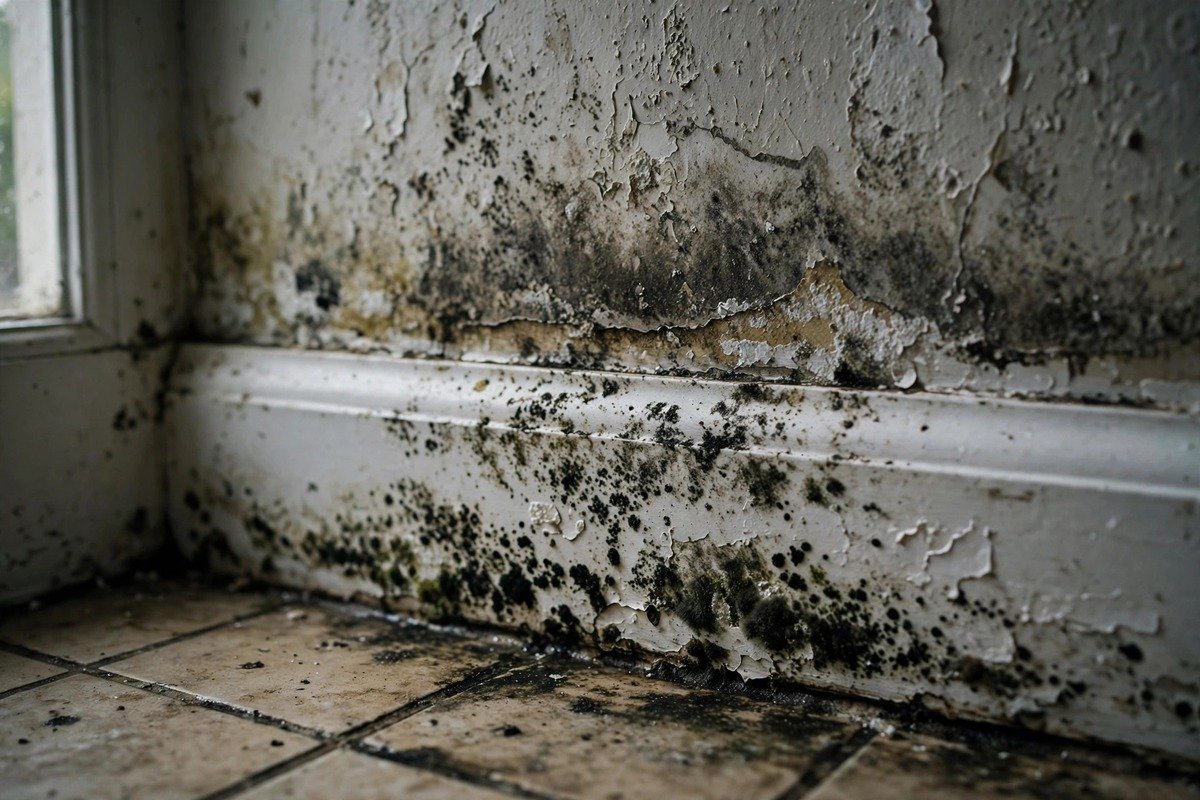
Mold growth from a slab leak starts when escaped water keeps building materials damp for days. Drywall, wood, and dust give mold its food. The leak gives it steady moisture. Warm indoor air speeds things up. This page explains the mold growth slab leak process in plain words.
What Does Mold Need to Grow?
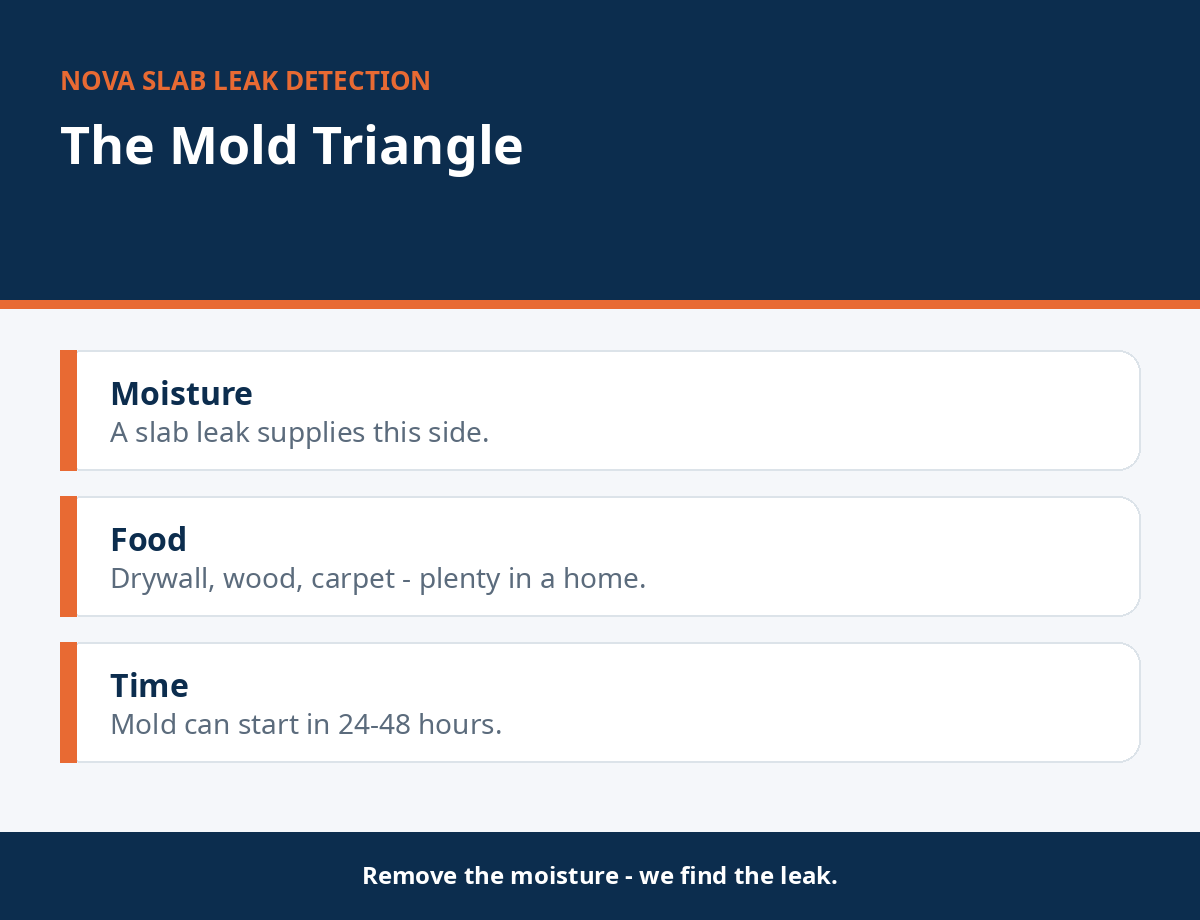
Mold needs three things. Scientists call it the mold triangle. First, moisture. Second, food. Third, time. Remove any one, and mold can’t grow. A slab leak hands mold the moisture part on a plate.
Food is all over a home. Drywall paper, wood framing, carpet, and dust all feed mold. Warmth helps too. Most homes sit at a comfy range for mold. So the only missing piece is water. The leak supplies it.
Can mold grow without visible water? Yes. Damp air alone can do it. Concrete wicks moisture up from a leak. The surface may feel dry while the inside of a wall stays damp. Hidden dampness is enough for mold.
How Fast Can Mold Grow After a Slab Leak?
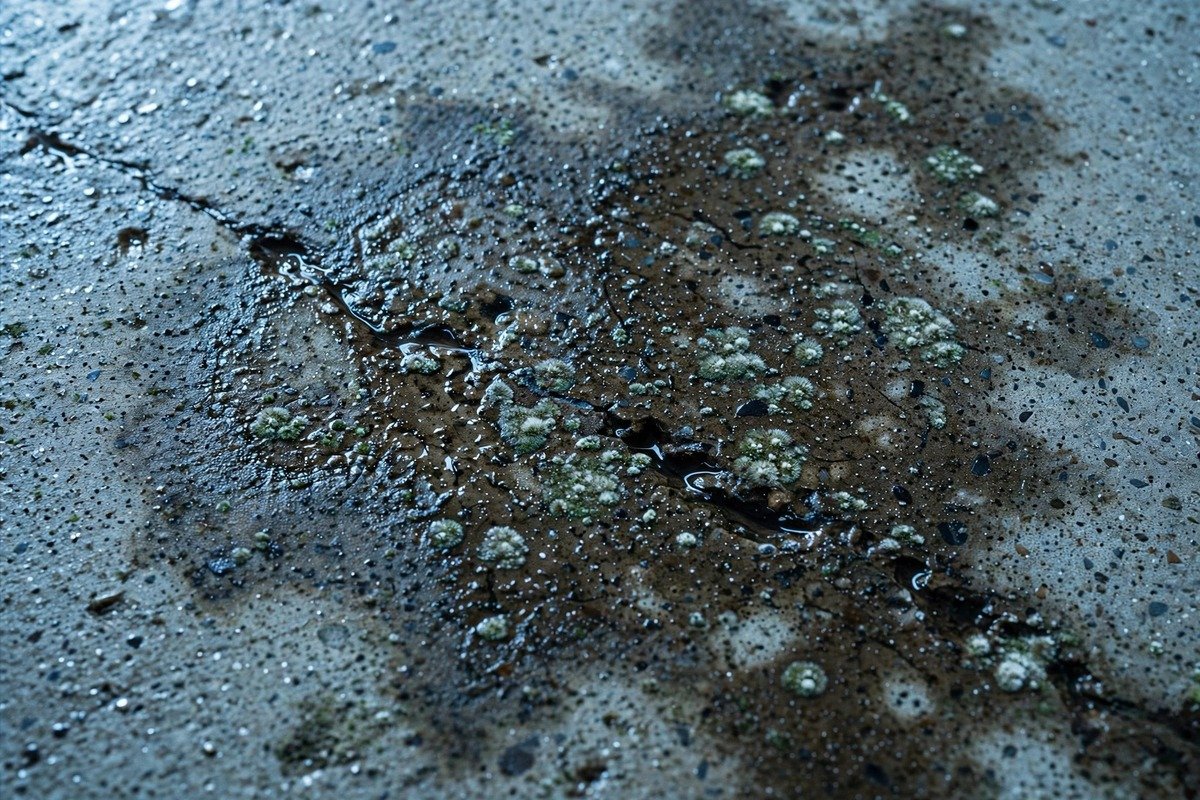
Mold can start in 24 to 48 hours on wet material. The EPA mold guide says to dry affected areas in 24 to 48 hours. After that window, mold may already be growing. A slab leak often runs for weeks before anyone notices. That gives mold plenty of time.
Why is timing so key with slab leaks? Because the leak hides. You can’t see it. Weeks may pass before a sign shows. By then, mold has had a head start. A fast check cuts that time short. Our visits take 1 to 3 hours and pinpoint the leak in about 1 to 3 feet.
Where Does Mold Hide After a Slab Leak?
Mold hides where moisture lingers. Common spots include:
- Behind trim near damp floors
- Under carpet and pad
- Inside wall cavities above the slab
- Under vinyl or laminate flooring
- In closets against outside walls
These spots stay damp and dark. Mold loves that. You may smell it before you see it. A musty or earthy odor is a strong clue.
Why Does a Slab Leak Feed Mold So Well?
A slab leak gives mold a steady drink. Drip systems in a garden feed plants all day. A slab leak feeds mold the same way. The water never stops. That is worse than one spill you can mop up.
Concrete also helps mold along. It holds moisture for a long time. It wicks water up into walls and floors. It keeps the area damp between dry spells. Mold colonies can grow deep inside porous material where you can’t reach them.
Does a hot water slab leak grow mold faster? Warm water raises the temperature of nearby soil and concrete. Warm plus damp is ideal for mold. Hot water leaks may also make indoor air more damp. That spreads the risk to more rooms.
Can mold grow under tile floors? Yes. Tile itself resists mold, but grout and the layers below do not. Moisture from a leak can sit under tile for months. Mold grows in the grout lines and the setting bed. You may see dark grout before anything else.
Who Removes the Mold Risk?
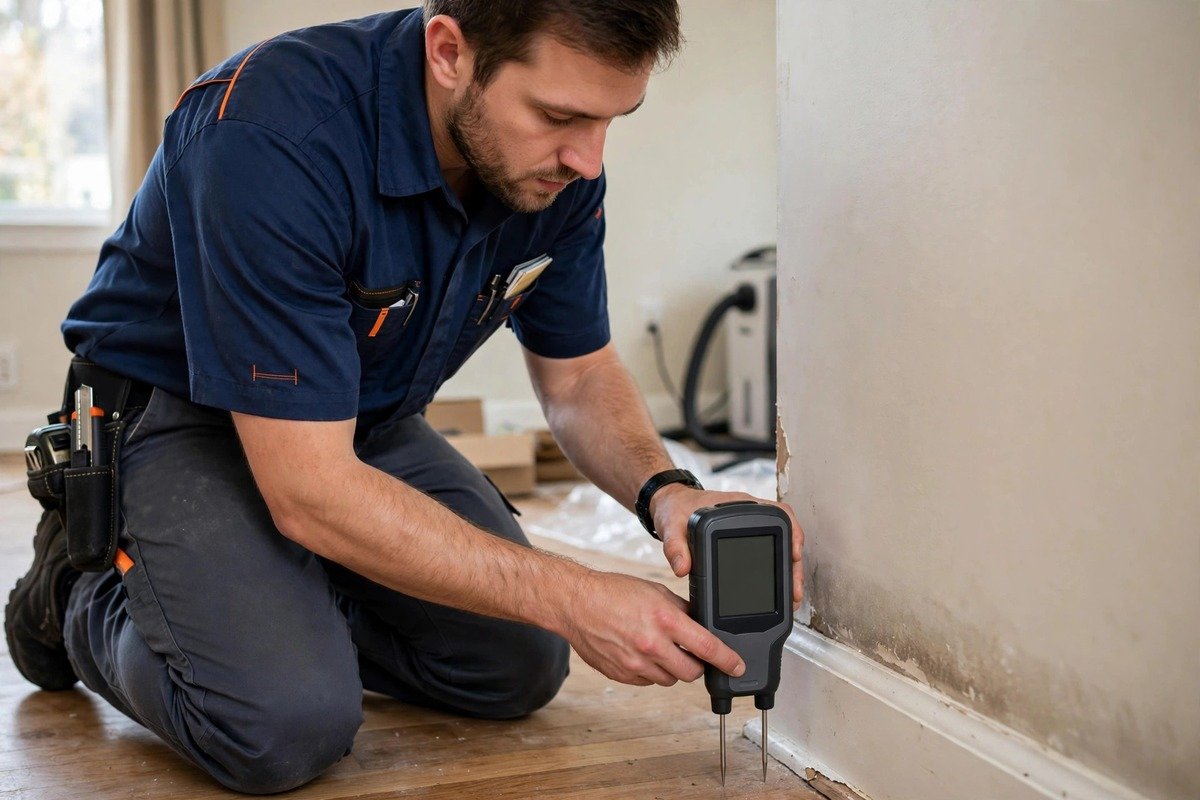
First, the leak must be fixed. Mold cleanup without fixing the leak is wasted work. We handle the leak part. Nova Slab Leak Detection works only on slab leaks: we find them and fix them with our own crew. Our own crew finds the leak and fixes the pipe. Your tech can also point out where moisture has spread.
Mold cleanup itself may need a separate remediation crew for large areas. Small spots on hard surfaces can often be cleaned by the owner. For health concerns, see a doctor. We do not diagnose health issues. We stop the water that feeds the mold.
Should I clean mold myself? Small patches on hard, non-porous surfaces are often fine to clean yourself. Wear gloves and ventilate the room. Large areas or mold inside walls need a pro. And always fix the leak first, or the mold will come back.
How Can You Spot Mold Early?
Watch for these signs after any suspected leak:
| Sign | What it means | What to do |
|---|---|---|
| Musty smell | Hidden mold is likely | Call for a leak check |
| Dark spots on grout or walls | Surface mold growing | Fix the leak, then clean |
| Warped trim | Moisture behind the trim | Check for a leak |
| Damp carpet that never dries | Water under the floor | Call right away |
Early signs save money. Mold that is caught early costs less to clean. The leak that feeds it costs less to fix when caught early too. One call to (833) 542-3027 can stop both problems.
Mold does not always mean a slab leak. Roof leaks, wall plumbing leaks, and poor airflow also cause mold. But if mold keeps coming back in the same low spot, a slab leak is a strong suspect. A check gives you a clear answer.
How Does the Science Hub Connect?
This article belongs to our slab leak science hub. Related reads include how hidden moisture affects the people in your home and how bacteria grow in stagnant water under slabs. To see fix costs, read our cost guide. We are open 24/7 at (833) 542-3027.
FAQs
How long does it take for mold to grow from a slab leak?
Mold can start in 24 to 48 hours on wet material. Slab leaks often run unnoticed for weeks, so mold may be well established by the time you see a sign.
Can mold from a slab leak make you sick?
Damp indoor spaces can bother some people. We do not make health claims. If you have health concerns about mold, see a doctor for advice.
Will fixing the leak kill the mold?
No. Fixing the leak stops new moisture. Existing mold needs to be cleaned or removed. Dry the area well and clean affected surfaces after the fix.
Does mold grow on concrete itself?
Mold feeds on dust and organic matter on the concrete surface, not the concrete. But damp concrete feeds mold in nearby drywall, wood, and carpet.
Can I just bleach the mold and skip the repair?
Bleach may clean the surface, but the leak keeps feeding new growth. Fix the water source first. Then clean. Otherwise the mold returns.
How do I know if hidden mold is from a slab leak?
Look for mold low on walls, near floors, with dampness or a musty smell. If it keeps returning after cleaning, call us to check for a leak under the slab.