
How Can Hidden Moisture Affect Your Health?
Hidden moisture health concerns come from damp air, mold, and dust mites that thrive in wet homes, and anyone with health worries should see a doctor. We are leak experts, not doctors. We do not diagnose or treat health issues. This page explains the moisture side in plain words so you can make good choices for your home.
Where Does Hidden Moisture Go?
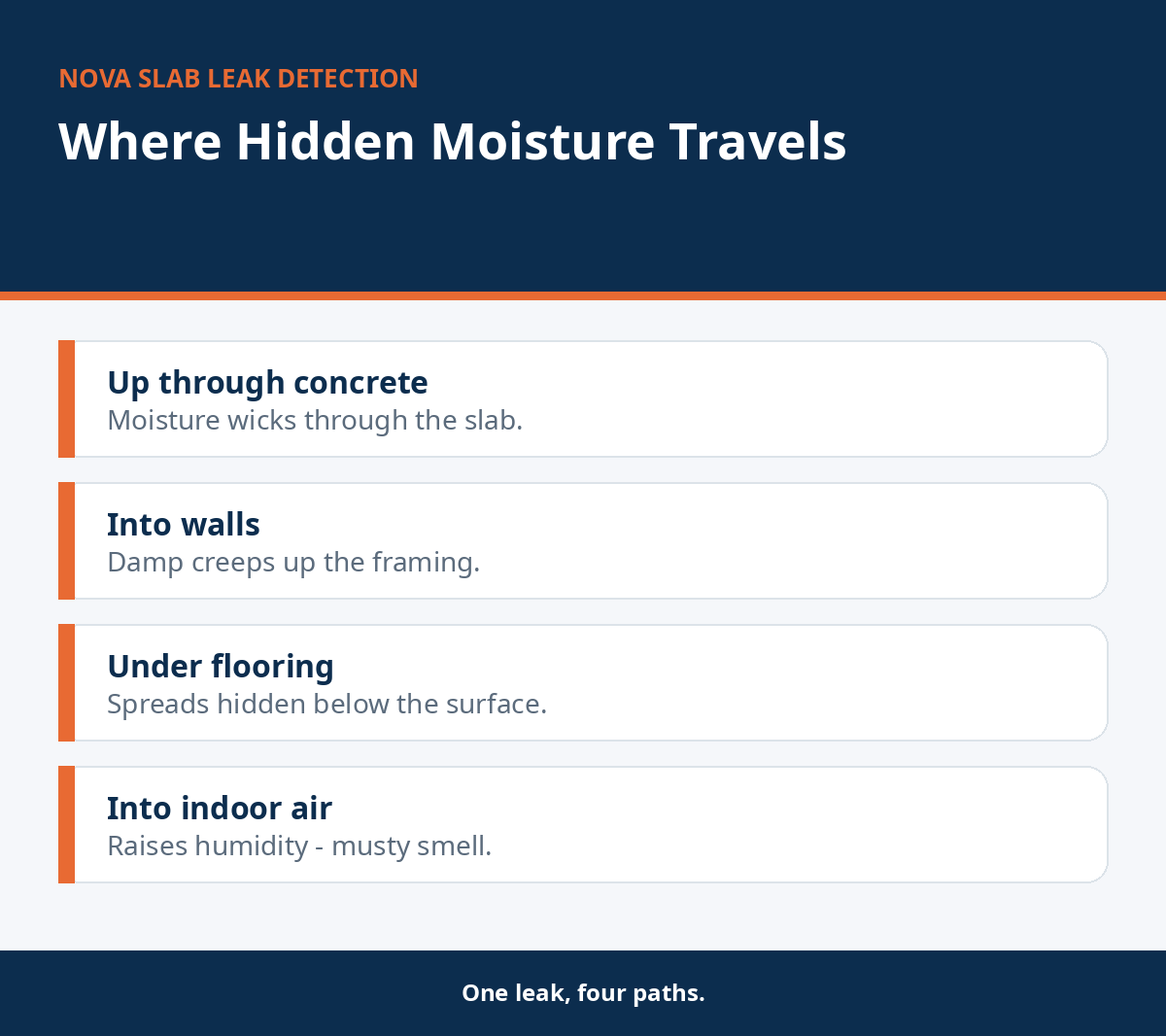
A slab leak sends water into places you can’t see. It soaks the soil under the slab. It wicks up through the concrete. From there it reaches flooring, walls, and the air. Each path raises indoor dampness.
How does water under a slab reach indoor air? It rises into the air. Warm floors speed this up. Moisture rises through tiny cracks and joints. It makes indoor air more damp. You may not see water, but the air feels heavy.
Which rooms feel it first?
Rooms above the leak feel it first. Bathrooms and kitchens already run damp, so extra water shows fast. Bedrooms with carpet can trap dampness under the pad. Closets against outside walls stay cool and damp.
How Does Hidden Moisture Reach the Air You Breathe?
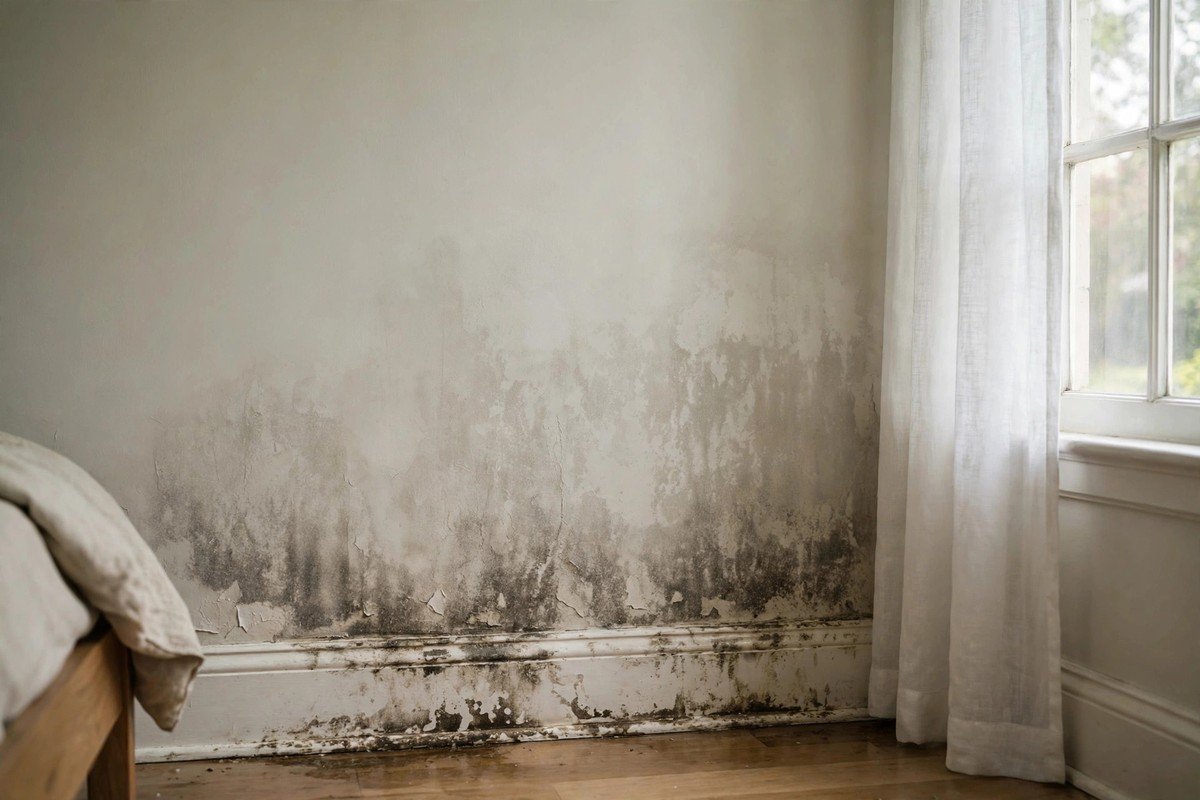
Indoor air picks up moisture from each damp surface. Wet concrete under flooring slowly damps the air. Wall gaps hold damp air and release it through outlets and cracks. Over time, the whole home can feel more damp than it should.
Ventilation matters too. A home with poor airflow traps moisture. Bath fans and range hoods help. But they can’t keep up with an active leak. The water source must be fixed.
Can you smell hidden moisture? Often yes. Musty or earthy smells mean mold or germs are active somewhere. The smell may be strongest in the morning or after rain. Trust your nose. It finds what your eyes can’t.
Why Does a Damp Home Feel Different?
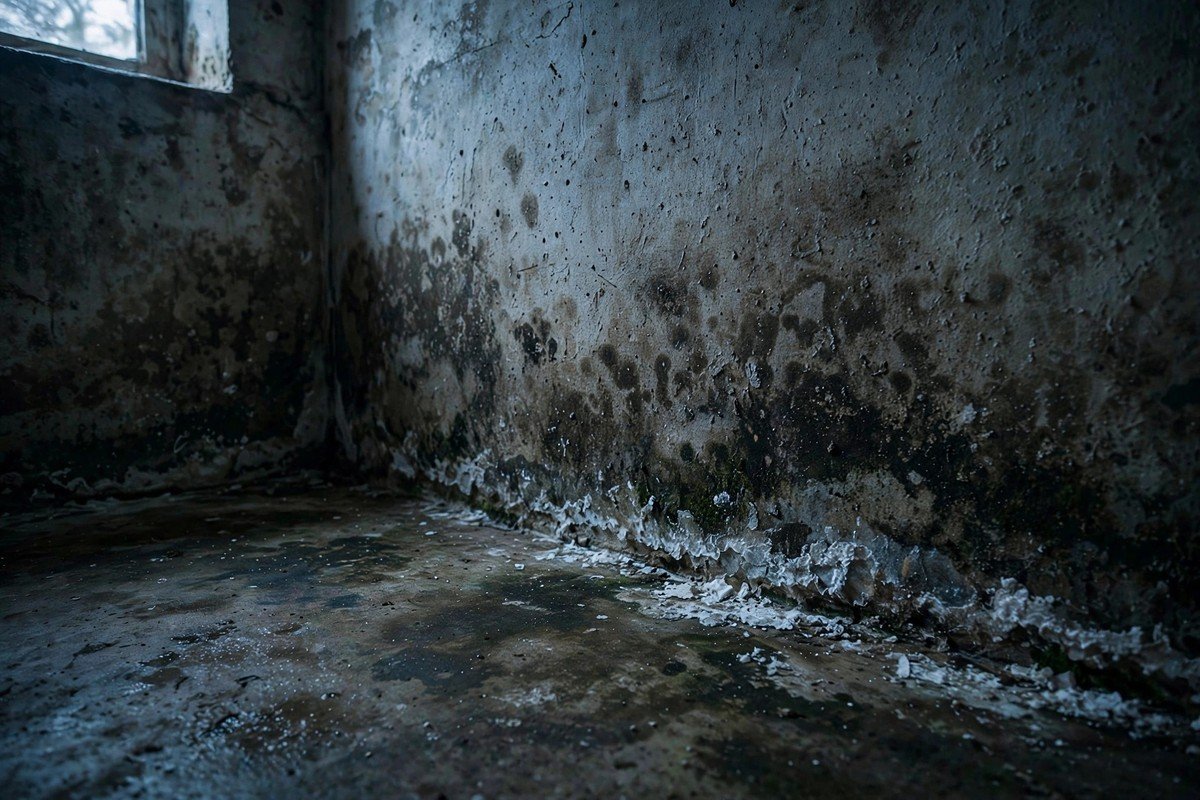
Damp air feels clammy. Clothes take longer to dry. Windows fog up. Dust mites thrive in damp air. Mold grows on damp surfaces. All of this changes how a home feels day to day.
People react to damp homes in their own way. Some notice nothing. Others feel bothered by musty air. We can’t say what damp air will do to your health. That is a question for your doctor. What we can do is find the leak and stop the moisture.
Is musty air always a health problem? Not always. But it always means something is damp. Dampness feeds mold and pests. It damages floors and walls. Health aside, the house itself suffers. Fix the moisture and the air improves.
What Does Science Say About Damp Homes?
Public health agencies have studied damp buildings for years. The common thread is simple: dry homes are better homes. The EPA mold guide advises drying wet areas in 24 to 48 hours. That limit stops mold, which likes damp stuff.
We stick to what we know. Moisture feeds mold. Mold and dust mites like damp homes. Dry homes have fewer of these issues. We leave health advice to doctors and focus on what we do best: finding leaks and fixing pipes.
Should I test my indoor air? Air tests can show mold spores, but they do not find the leak. If you suspect damp trouble, check the source first. Our check finds hidden water. Fix the source, dry the area, and the air often follows.
Who Can Check Your Home for Hidden Moisture?
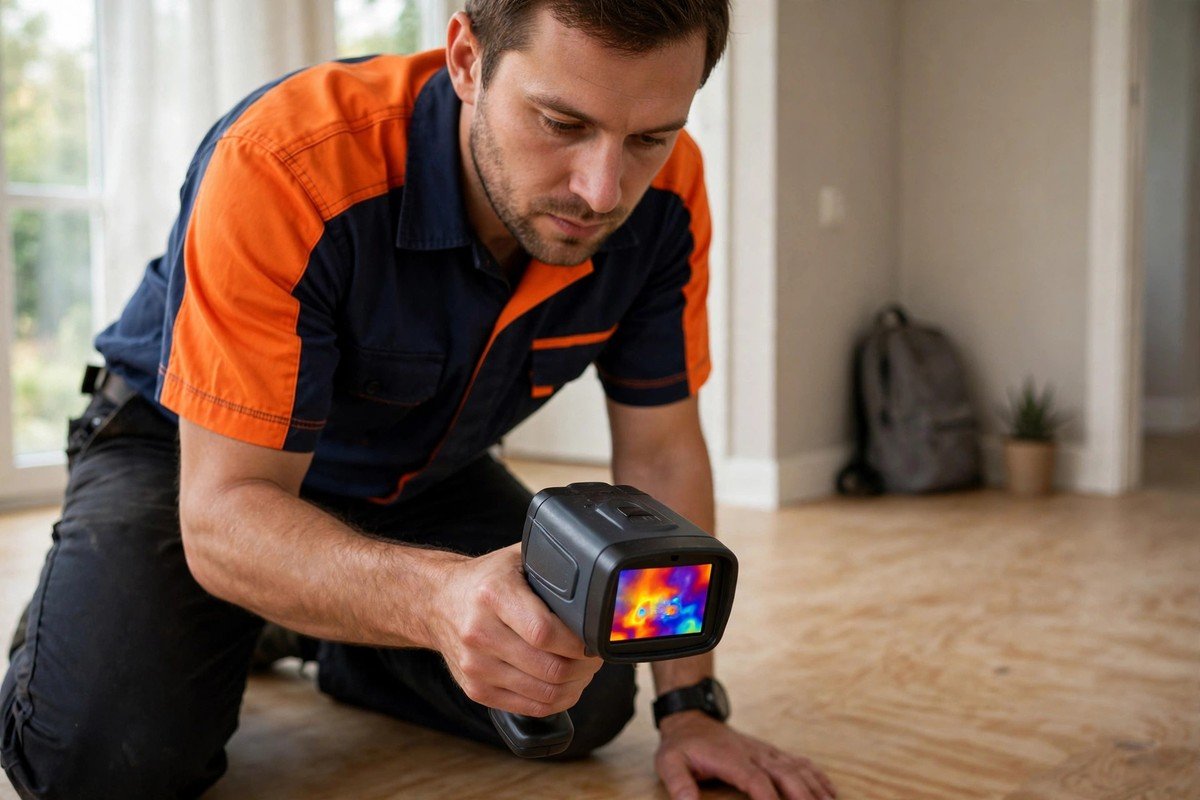
We can. Nova Slab Leak Detection exists to detect and fix slab leaks with our own trained team. Our own techs use damp meters and heat cameras to find damp areas. Your tech will show you what they find and explain your options.
We do not do health testing or health assessments. We find water. Then we fix the pipe. For health questions, see a doctor. For the leak, call us at (833) 542-3027. We are open 24/7.
How Do You Dry a Home After a Slab Leak?
Drying takes three steps. First, fix the leak. Second, remove wet materials that can’t be saved. Third, dry what remains with airflow and a room dryer. The table shows a simple plan.
| Step | What to do | Why it matters |
|---|---|---|
| Fix the source | Fix the leaking pipe | Stops new water |
| Remove ruined material | Take out soaked carpet pad or drywall | Removes mold food |
| Dry and ventilate | Fans plus a room dryer | Brings moisture down fast |
How long does drying take? Small areas may dry in a few days with good airflow. Deep-soaked concrete can take weeks. A moisture meter tells you when it is truly dry. Do not rush this step.
You are reading a piece of our slab leak science hub. You may also want to read about how mold grows from slab leaks. For what fixes cost, see our cost guide.
FAQs
Can a slab leak affect the air in my home?
Yes. Moisture from a leak can make indoor air more damp. Damp air may carry musty smells. Fixing the leak and drying the area often improves the air.
Should I worry about my children’s health in a damp home?
We understand the worry, but we can’t give health advice. If you have health concerns, talk to your doctor. We can find and fix the moisture source.
Will a dehumidifier fix a slab leak problem?
No. A room dryer helps dry the air, but the leak keeps adding water. Fix the pipe first. Then use the dryer to finish drying.
How do I know if my home is too humid?
Foggy windows, clammy air, and musty smells are clues. A cheap damp-air gauge from a hardware store can confirm it. Indoor dampness over 60 percent needs a closer look.
Can hidden moisture cause allergies?
We do not make health claims about allergies. Damp homes can harbor mold and dust mites, which bother some people. A doctor can advise on your symptoms.
Who should I call first about a damp home?
If you suspect a leak, call us first. We find the water source. For health questions, see a doctor. For mold cleanup, a remediation pro can help after the leak is fixed.