
Are Slab Leaks Common in Homes With Slab Foundations?
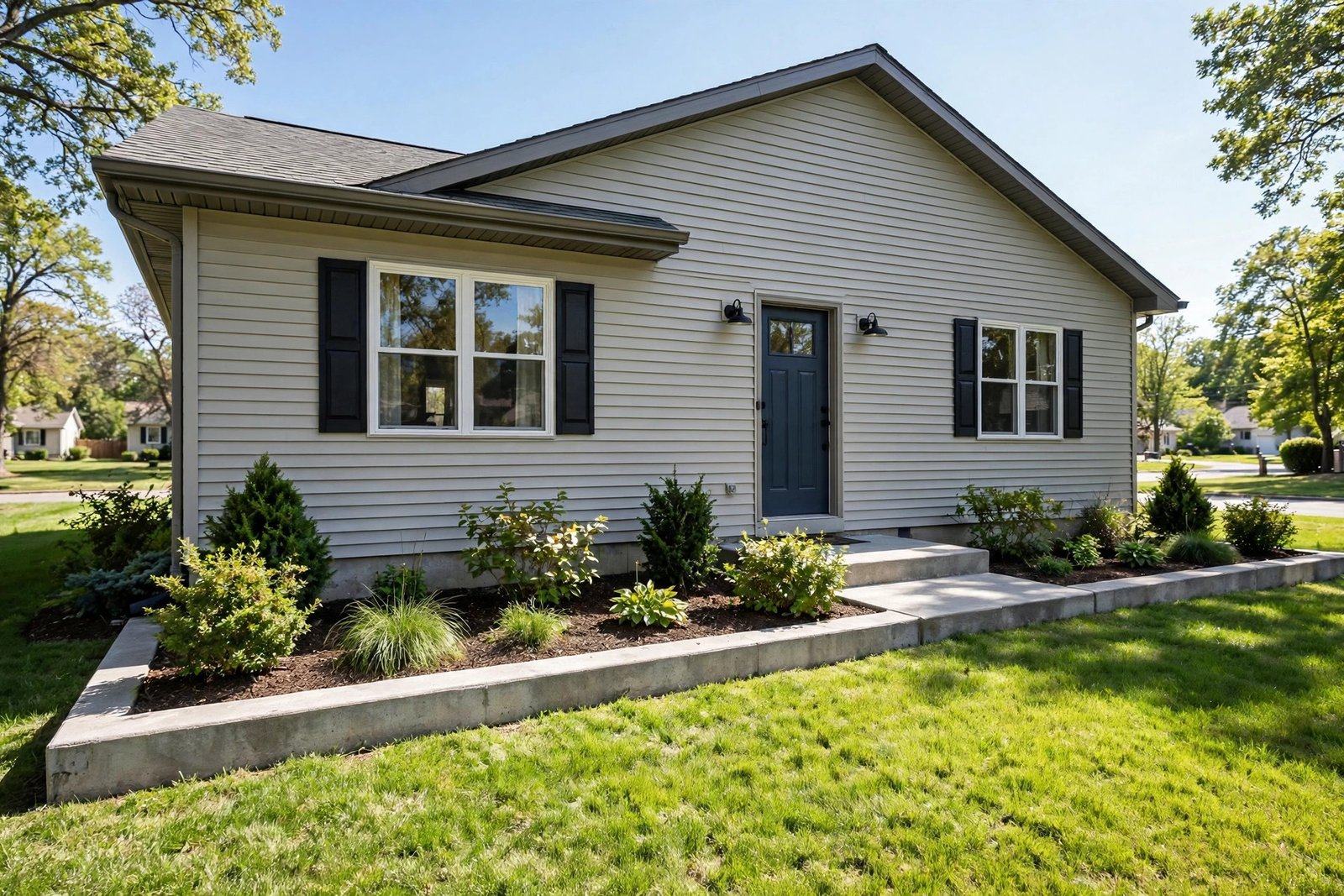
Are slab leaks common? Yes — slab leaks are a common problem in homes built on concrete slab foundations, especially in warm regions. Lots of US homes sit on slabs. Water lines run under that slab. With time, soil shifts, hard water, and old pipes cause leaks. It is one of the top calls we get.
Why Are Slab Leaks So Common in Some Areas?
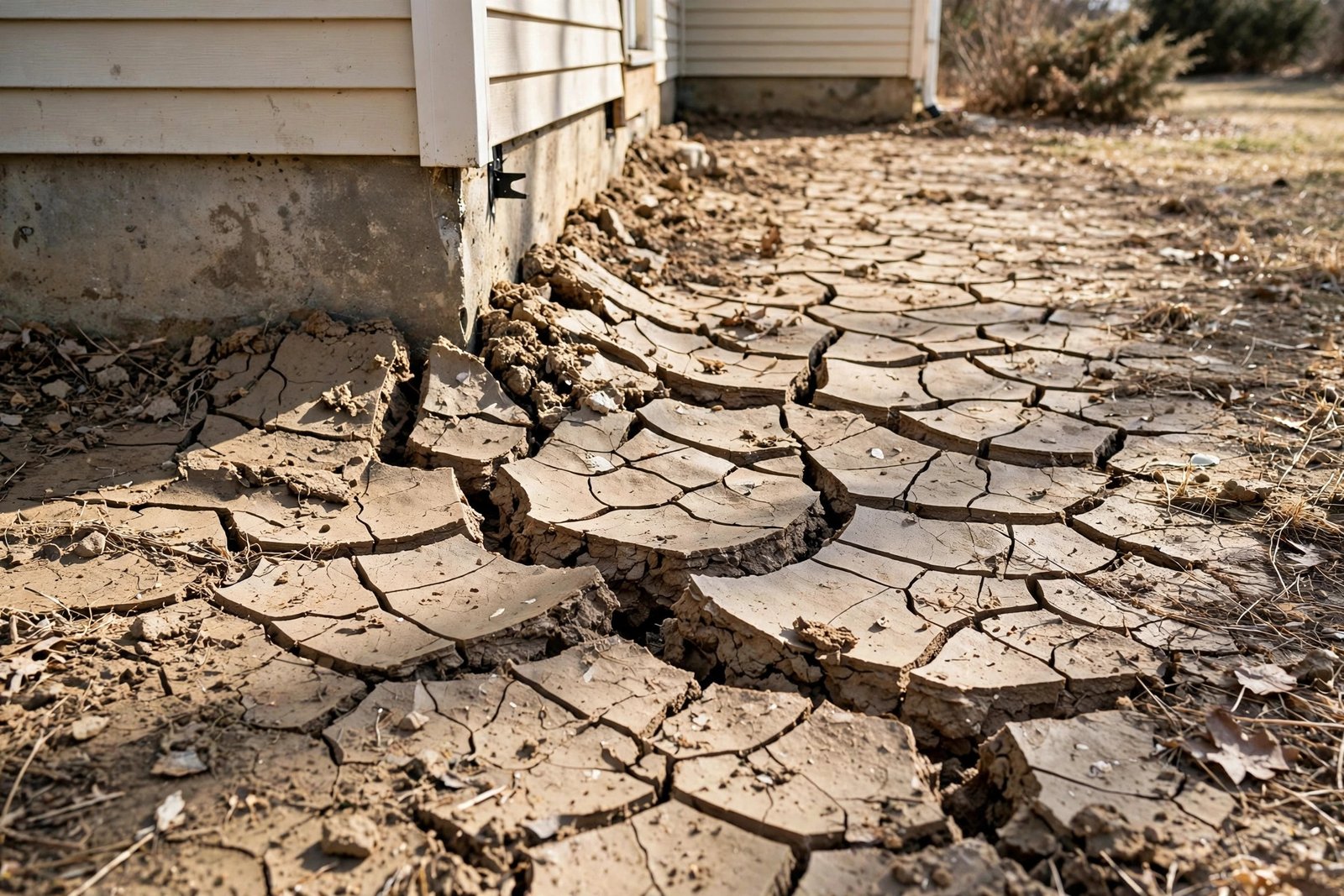
Soil shift is the main cause. Clay soil that swells will grow when wet and shrink when dry. It tugs on buried pipes year by year. Hard water eats pipes from the inside too. Old copper lines get pinhole leaks. New homes are not safe from this. A bad pipe job can fail long before its time.
Some states see far more slab leaks than most. Warm states with slab builds top the list. California, Texas, and Florida keep us busy all year. Arizona sees lots of calls too. These states mix slab builds, moving soils, and hard water.
Do slab leaks happen outside warm states? Yes, but less often. Any home on a slab can develop a leak. Soil type and water quality matter more than temperature alone. We serve all 50 states plus DC.
When Do Slab Leaks Happen Most?

Leaks can hit in any month. Dry spells make clay soil shrink and shift. That shift strains buried pipes. Rains then swell the soil back up. This to-and-fro wears pipes out with time. Old homes leak most, but no home is risk-free.
Cold snaps add one more cause. Hard frost strains pipes and joints. Ground that shifts when frozen tugs on lines. Spring thaw moves soil too. Each season strains pipes in its own way.
Is there a worst month for slab leaks? There is no single peak month nationwide. Dry spells followed by heavy rain are the classic trigger. Our technicians take calls in every season, day and night.
Who Is Most at Risk for a Slab Leak?
Each home on a slab has some risk. Risk climbs as a home gets old. Old pipes have more years of wear. Homes with hard water face fast pipe harm. Spots with loose or swelling soil see more leaks. If your street has had slab leaks, your home shares that soil and water.
Home past counts too. Past slab work can shake pipes loose. Past leaks hint that the pipes are old. A home with a few old fixes needs a full check.
I rent my home. Who pays for the repair? Laws vary by state. Landlords usually handle plumbing repairs. Check your lease and local rules first. Talk to your landlord before scheduling any work.
How Do I Know If I Have a Slab Leak?
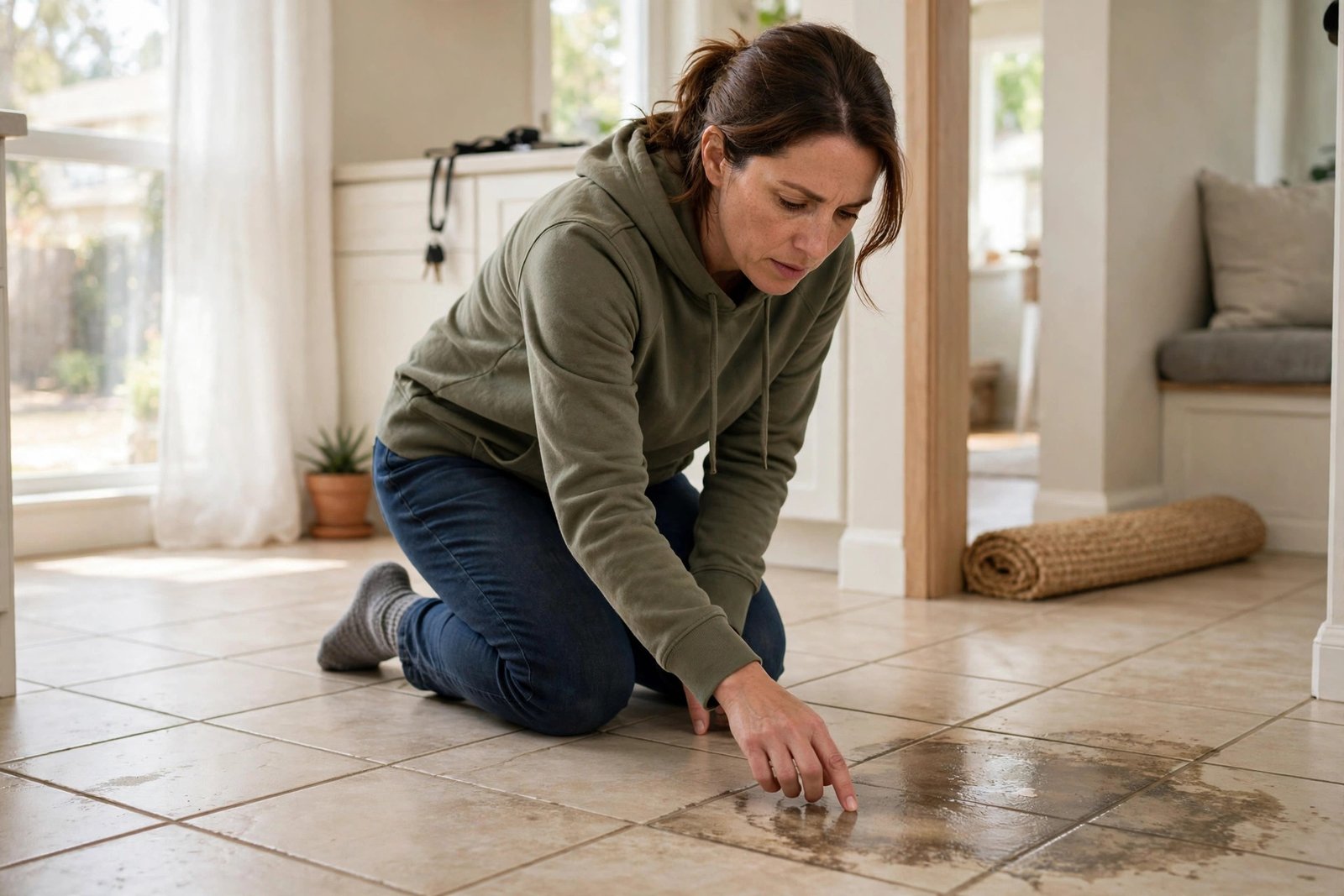
Watch your bill for quick jumps. Hear for water sounds with each tap shut. Feel for warm spots on the floor. Look for damp rugs or bent wood. A stale smell can mean damp you can’t see. Cracks in walls or floors may show as the soil shifts.
Act fast on these signs:
- Unexplained spike in the water bill
- Sound of running water with taps off
- Warm or damp spots on floors
- Cracks in walls, tile, or flooring
We pin leaks down to about 1-3 feet. Most visits take 1-3 hours. See all the areas we serve on our locations page. Browse more answers in our FAQ library. Call (833) 542-3027 — we are open 24/7.
FAQs
Are slab leaks common in new homes?
Less so, but they still show up. A bad pipe job or harsh soil can cause young leaks. Each slab home can get one with time.
Can a slab leak go away on its own?
No. Leaks just get worse as time goes by. A fast check saves real cash. Call (833) 542-3027 any time, day or night.
Does homeowners insurance cover slab leaks?
It rests on your plan. Fast water harm is often paid. Slow wear may not be. Read your plan or ask your agent.
How fast should I act on a suspected slab leak?
Fast. Water under a slab can hurt floors and base slabs. The EPA says dry wet spots in 24-48 hours. Book a check now.
Do I need to leave my home during repair?
Most often not. Most fixes let you stay home. We keep the work zone neat and safe.
Where are slab leaks most common?
Warm states with slab homes, like California, Texas, Florida, and Arizona. We serve all 50 states plus DC, 24/7.