
What Should Homeowners Know About Slab Leaks?
Slab leak help for homeowners starts here: a leak under your slab will not fix itself. We find and fix slab leaks in homes in all 50 states and DC. A visit takes one to three hours. We trace the leak to about one to three feet. Call us at the first sign.
You live above the problem, so you feel it first. A warm patch on the floor. A bill that jumps. Water you hear but cannot see. These are early warnings. Read on for what each sign means, what a visit looks like, and which fix fits your home.
Why Should Homeowners Act on Early Signs?

Small leaks grow. Water under a slab washes soil away. Lost soil lets the slab shift. A shifting slab cracks floors and walls. What starts as a warm spot can end as buckled tile and a big bill. Early action keeps the fix small.
Dampness is the other reason to move fast. Wet concrete feeds mold in floors and baseboards. If damp spots bother anyone’s health, see a doctor — we fix leaks, we do not give health advice. Fast action also guards your water bill. A leak can waste thousands of gallons while you wait. See all warning signs in our problem guides.
Can one small leak hurt my foundation? Yes. Steady water washes soil from under the slab, so it can settle or crack. A fast find now stops that harm.
Will my floor be torn up? Not always. Many fixes need only a small opening, and reroutes skip the slab wholly. We pick the gentlest fix that works.
When Should Homeowners Call Us?

Call at the first sign. You do not need proof. Proof is our job. Watch for this list:
- Your water bill spikes with no change in use.
- A floor spot feels warm or damp.
- You hear running water with all taps off.
- Cracks show in floors or walls.
- Water pressure drops at showers and taps.
- A musty smell hangs in one room.
Night is a good test time. Turn off all water and listen. Hear hissing or running water? Call us. We answer 24/7 at (833) 542-3027.
Where Do Slab Leaks Strike in a Home?
Hot lines leak first, since heat wears pipe walls faster. Baths and kitchens sit over the most pipe runs. Warm spots often show there. Laundry rooms are common too. The leak may sit feet from where you feel it. Water runs along the pipe before it comes up. That is why our gear beats guesswork. We trace sound and heat to the true source. No wrong holes in your floor.
Any slab home can leak. Shifty clay soils stress pipes more. But age is the bigger factor. Old copper and steel lines rot from the outside in. If your home is past 25 years, watch the signs above. Our who we help hub has pages for rentals and firms too.
Who Does the Work in Your Home?
We do. We are a slab leak detection and fix company — Nova Slab Leak Detection — and our own team does each job. Nova’s own technicians do the work. Your technician brings sound sensors, pressure gauges, and a heat camera. The same tech who finds the leak walks you through the fix.
You will know what is going on at each step. We show you where the leak is. We lay out each fix in plain words. We quote before we cut. No jargon. No pressure. No shocks.
How Does a Detection Visit Work in a Lived-In Home?

The visit takes one to three hours. We start with your signs. Then we test pressure and listen at fixtures with sound gear. We scan floors with a heat camera. Together these pin the leak down to about one to three feet.
You do not need to move out. We work around your goods. Most visits leave no mark at all. We listen and scan. We do not open the slab to find the leak. National estimates as of 2026 list a visit at $150–$500. Hard jobs can reach about $600. Learn more on our slab leak detection service page.
Do I need to be home for the visit? Yes, or have an adult there. We need to reach fixtures and may need your answers as we test.
How soon can the fix happen? Often within days. Small spot fixes may follow fast, while big jobs need slots. We will give you a clear date.
What Repair Options Keep the Mess Small?
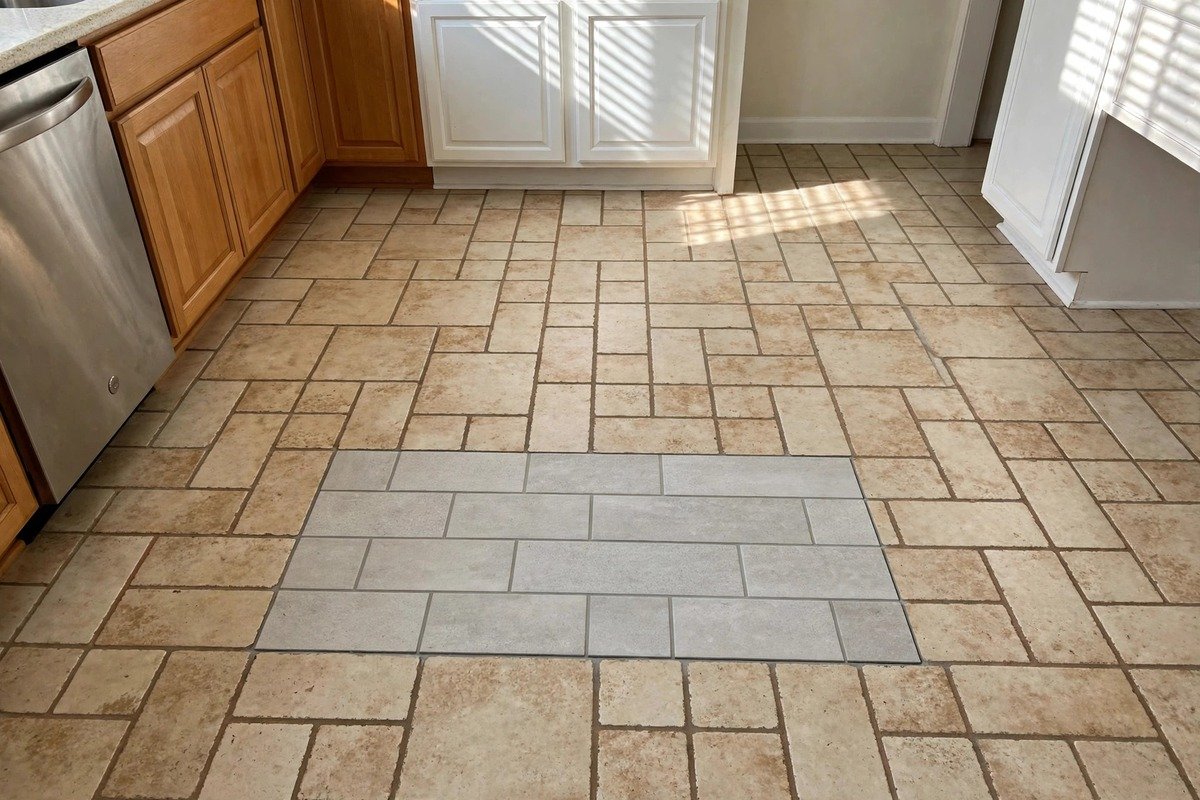
We match the fix to your leak and home. Prices are national estimates as of 2026.
| Repair option | What it does | Price (national estimates as of 2026) |
|---|---|---|
| Spot repair | Opens the slab at the leak; fixes one part | $1,500–$4,500 |
| Reroute | New line via walls or attic; skips the slab | $3,500–$7,000 |
| Tunneling | Digs under the slab to reach the pipe | $3,500–$8,000 |
| Epoxy lining | Coats the pipe inside to seal it | $3,000–$6,000 |
| Whole-home repipe | Swaps old lines through the house | $4,500–$15,000 |
Reroutes suit lived-in homes well. The slab stays whole. Spot fixes suit one clear leak in easy reach. If old pipes leak in many spots, a repipe ends the cycle of repeat visits. We lay out the trade-offs. You choose. For full price detail, see our cost guide.
FAQs
How do I know it is a slab leak, not a roof leak?
Slab leaks bring warm floors, water sounds, and high bills. Roof leaks follow rain and stain ceilings. Our visit tells you for sure.
Will detection harm my floors?
No. Detection does not break ground. We listen, scan, and test. We open the slab only to fix, and only where needed.
How long does a fix take?
Spot fixes often take a day. Reroutes take one to three days. Repipes take longer. Your tech gives you dates first.
Can I stay home during the fix?
As a rule, yes. We keep one bath working when we can and clean up each day. Ask your tech about your job.
Does home insurance cover slab leaks?
Harm from a sudden leak is often paid for. Slow wear may not be. Policies vary — check yours or ask your agent. See our insurance claims guide.
Should I get more than one quote?
Your call. We quote in plain words with marked national estimates, so you can weigh quotes side by side. Call (833) 542-3027 — we answer 24/7, our own techs find the leak in one visit, and most fixes leave one small patch.