
Why Do Slab Leaks Hit Homes in Chino?
For slab leak detection Chino California needs, we know dairy-era homes and new tracts alike. The typical home here dates to about 1979. Many tracts date to the 1950s and 1960s. Old copper under those slabs is now over sixty years old. Even farmhouses from 1910 still stand in town.
The soil here is a known risk. County plans note soft soils in parts of town with high salt content. Wet soil can sink under a slab. That is just what a leak causes. Valley soils also shift with wet and dry spells. That shift bends buried lines year after year.
Hard water adds wear. Scale builds inside copper lines over the years. Pipe walls wear thin. Tiny holes form. The dairy past left its mark too. Old farm land holds soil chemistry from years of farm use. At The Preserve, homes rose on old dairy land from a 2002 plan. The pipes are new, but joints can still fail.
Why does Chino’s soil grip and twist pipes?
The USDA maps the Chino soil series right here in town. It is flood-plain alluvium with silty clay loam layers. Clay runs 18 to 35 percent of the profile. The soil report calls it sticky and plastic when wet. Wet clay grips buried pipe like a hand. Dry spells shrink it and twist the line. Seventy years of grip and twist breaks old copper. We read the soil before we test.
How hard is Chino’s tap water?
The City of Chino’s own water report lists average hardness at 248 parts per million. That is about 14.5 grains per gallon. The scale builds inside copper year after year. Dairy-era homes carry the most buildup. Even 2002 homes at The Preserve show early wear. Our technicians gauge the wear on each visit.
Which Chino Areas Do We Serve?

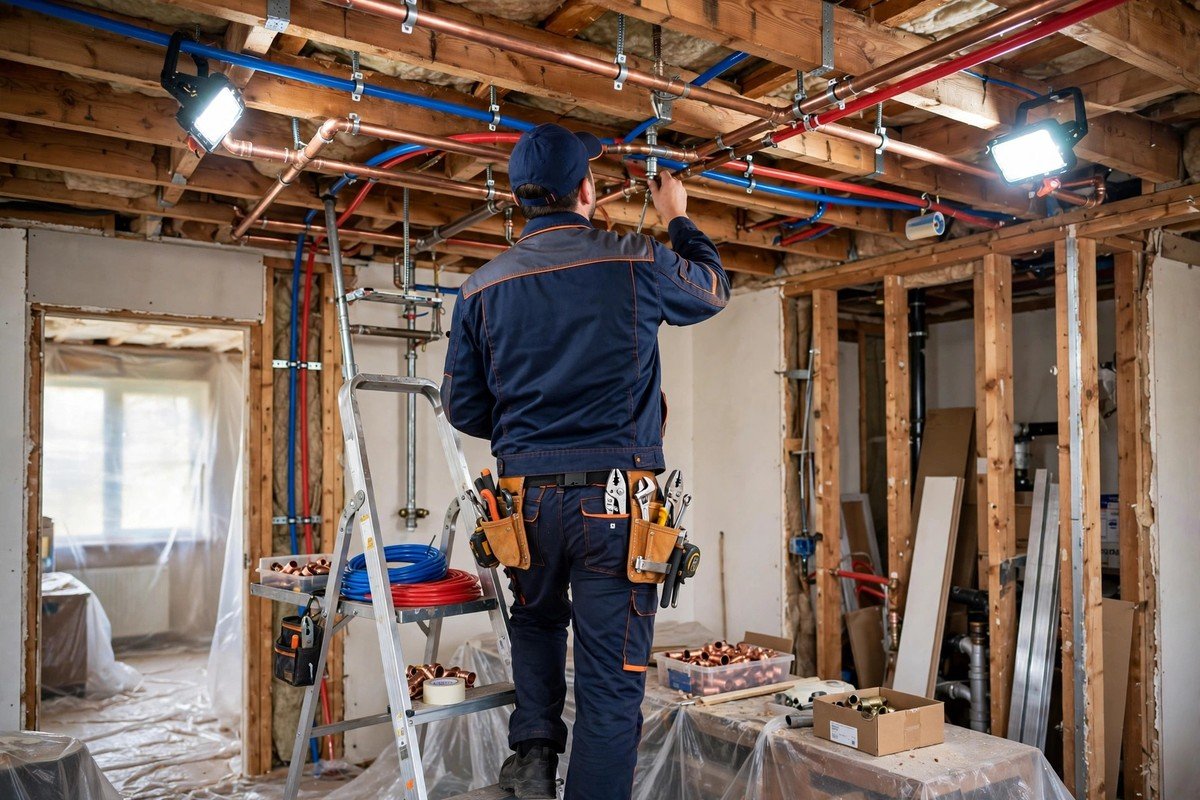

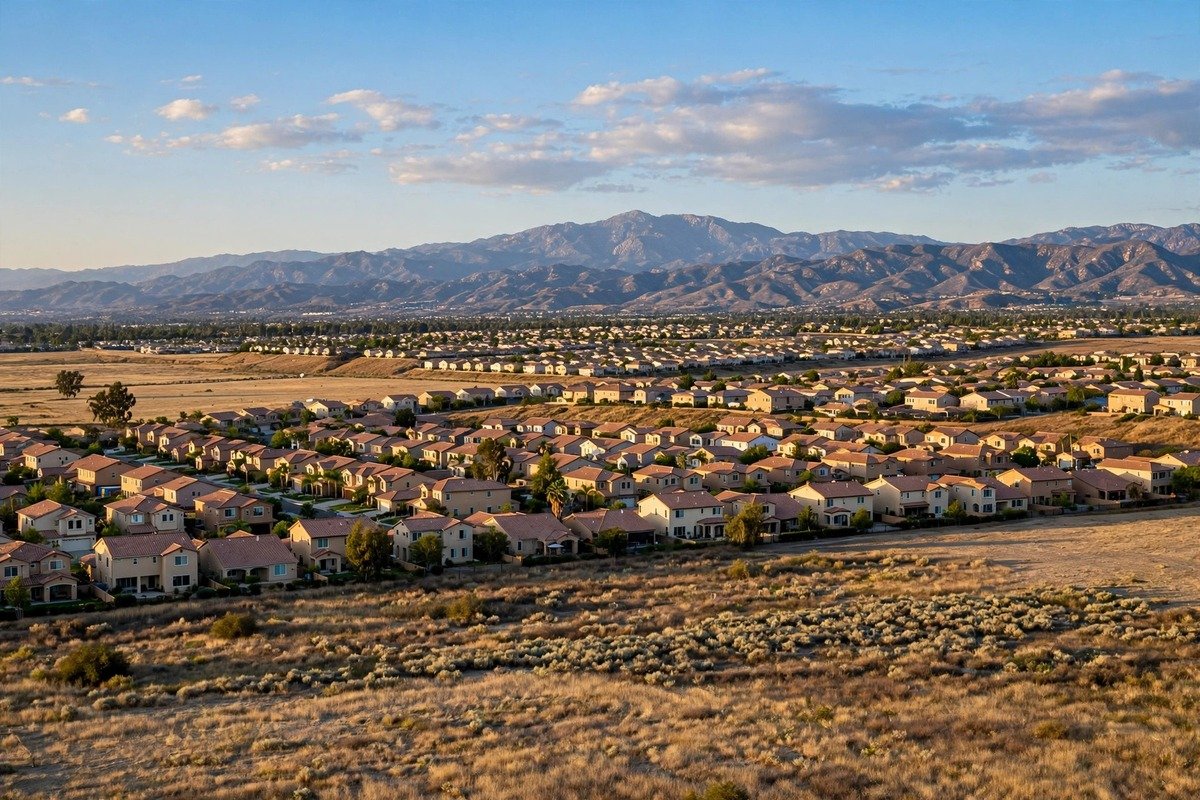
We cover the entire city. We visit these zones most:
Central Chino — The oldest tracts, with homes from the early 1900s to the 1960s. Old steel and midcentury copper lines.
South Chino — 1960s and 1970s tracts with old copper now at prime leak age.
The Preserve at Chino — New planned homes on old dairy land. New pipes, but joints can still fail.
We also serve the blocks near Chino Airport, the Old Schoolhouse Museum district, and both ZIP codes: 91708 and 91710.
Dairy days shaped the ground here. Years of farm water changed the soil under old tracts. Most homes date from the 1950s to the 1970s. They run old copper to match. At The Preserve, built from 2002 on old dairy land, the pipes are new but the ground is old. We read both when we test a home here.
Areas and ZIP Codes We Serve in Chino
We cover all of Chino. The ZIP codes:
91708, 91710
Call (833) 542-3027 — we answer around the clock.
What Happens During Our Slab Leak Visit in Chino?
We show up carrying sound gear, a heat camera, and trace gas tools. Plan on one to three hours. Your floors take no harm.
- Prove it — We check the water meter. We test all the lines.
- Listen — Sound sensors hear water moving under the slab.
- Scan — The heat camera finds warm patches from hot leaks.
- Trace — Trace gas trails the leak to its exact point.
- Report — We hand you written notes. They put the leak at about one to three feet. They show fix options and firm prices.
Can soft soil change the test? We read results with local soil in mind. Wet soft soil moves water in odd ways.
Will my floors get harmed? No. The check does no harm at all.
How long will the visit take? Plan on one to three hours for most homes here.
Learn about our Chino leak check service.
What Are the Repair Options for a Slab Leak in Chino?
After we map your leak, your technician lays out the fixes that fit your home. Prices shown are national estimates as of 2026.
- Spot repair — We cut one small slab patch and fix the single leak. A spot repair rests in the national $1,500 to $4,500 band. A top pick for newer pipe with one bad spot.
- Pipe reroute — We run new lines up through your attic or walls. A reroute rests in the national $3,500 to $7,000 band. For 1960s and 1970s copper, a reroute is a smart pick. More leaks will come.
- Tunneling — We tunnel to your pipe from outside, under the slab. Tunneling rests in the national $3,500 to $8,000 band. It protects finished floors.
- Whole-home repipe — We swap each old line in your home. A whole-home repipe rests in the national $4,500 to $15,000 band. Worth a hard look for pre-1970 homes.
National estimates as of 2026 rate a leak check at $150 to $500. Hard jobs can top $600.
Unchecked leaks here drive high water bills and hot spots on floors. Our repair team and Chino cost guide cover next steps.
My home is from 1963. Which fix fits best? With old copper past sixty years, a repipe often stops the leak cycle. A reroute fits when the rest still tests sound.
To book, call (833) 542-3027. We serve Chino and all of California.
FAQs
How much does slab leak detection cost in Chino? National estimates as of 2026 rate the cost at $150 to $500. Hard jobs can top $600. You get written notes and firm fix prices.
Do you serve The Preserve at Chino? Yes. We serve The Preserve, central Chino, south Chino, and both ZIP codes.
Can soil conditions in Chino cause slab leaks? Yes. Parts of town have soft soils that sink when wet. Valley soils also shift with damp swings. Both stress buried pipes.
My home was built in 1979. Should I be concerned? Homes from the late 1970s are near fifty years old. They sit in the leak window now. A visit gives you a straight answer.
How long will a leak check take? Plan on one to three hours for most homes.
Does home insurance cover slab leaks? Plans differ. Most pay for water harm, not pipe repairs. Check the plan.